
A mother's Persian table in Malaysia: Leily Amini nourishes the soul at Nooshe Jan
July 29, 2026
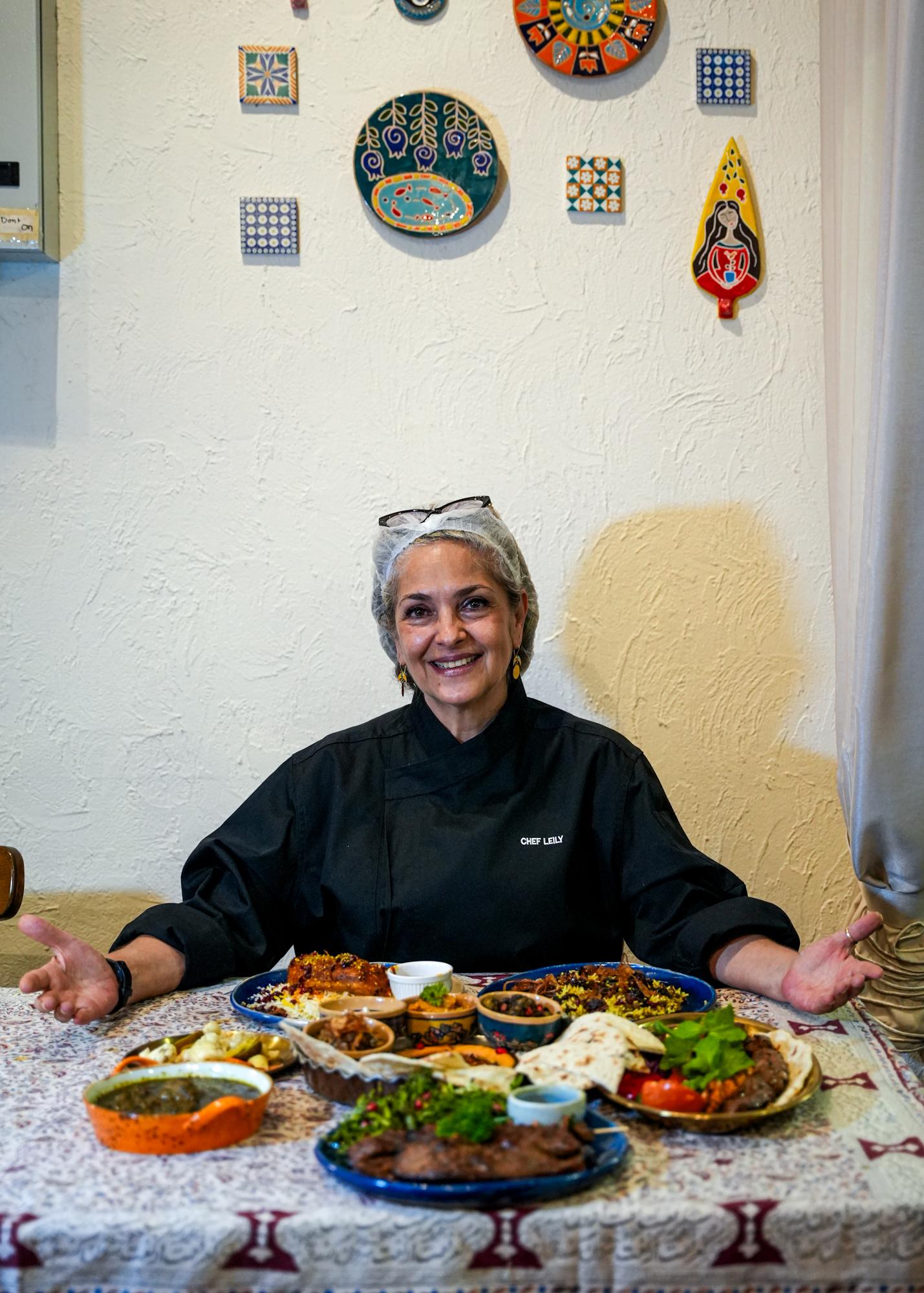
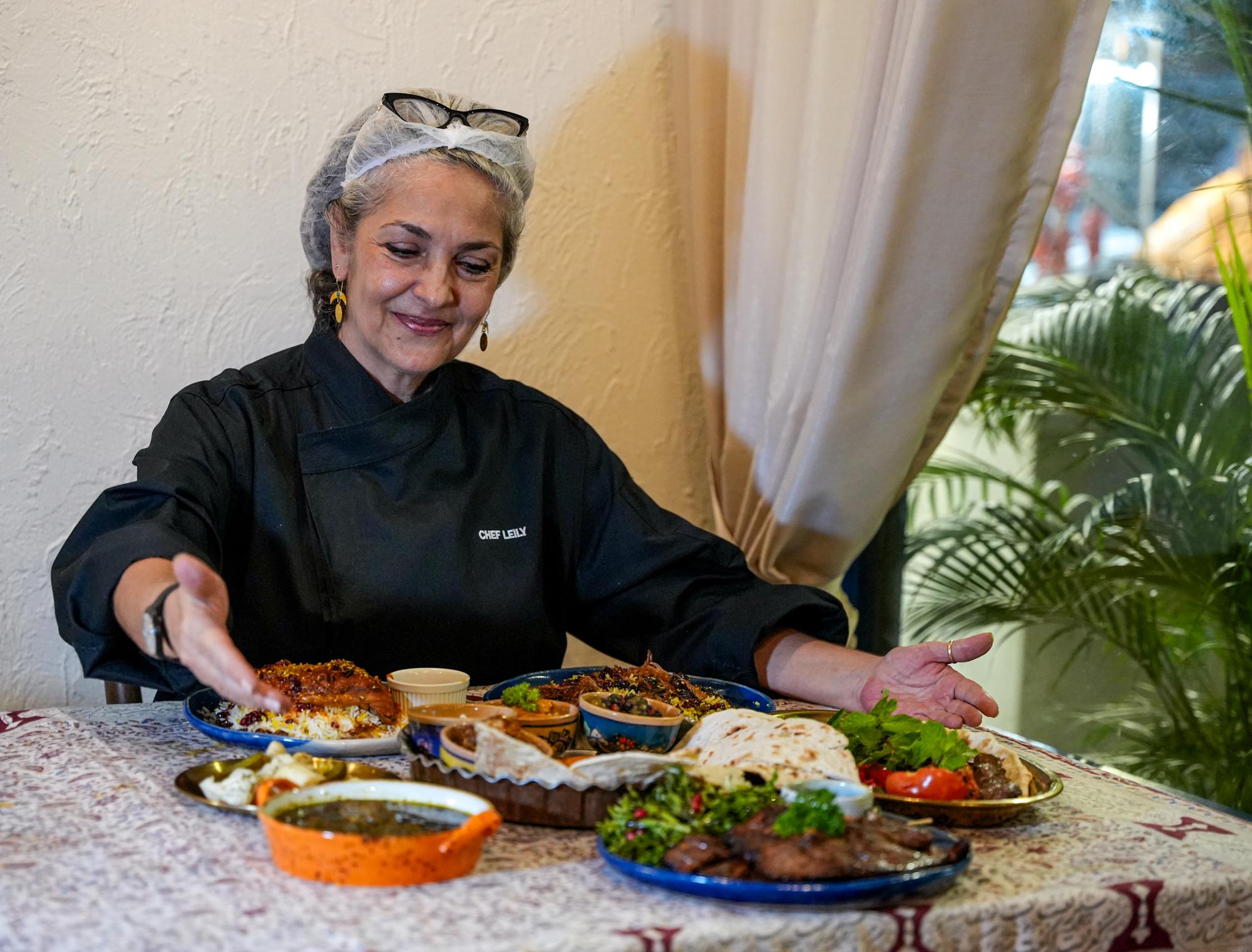
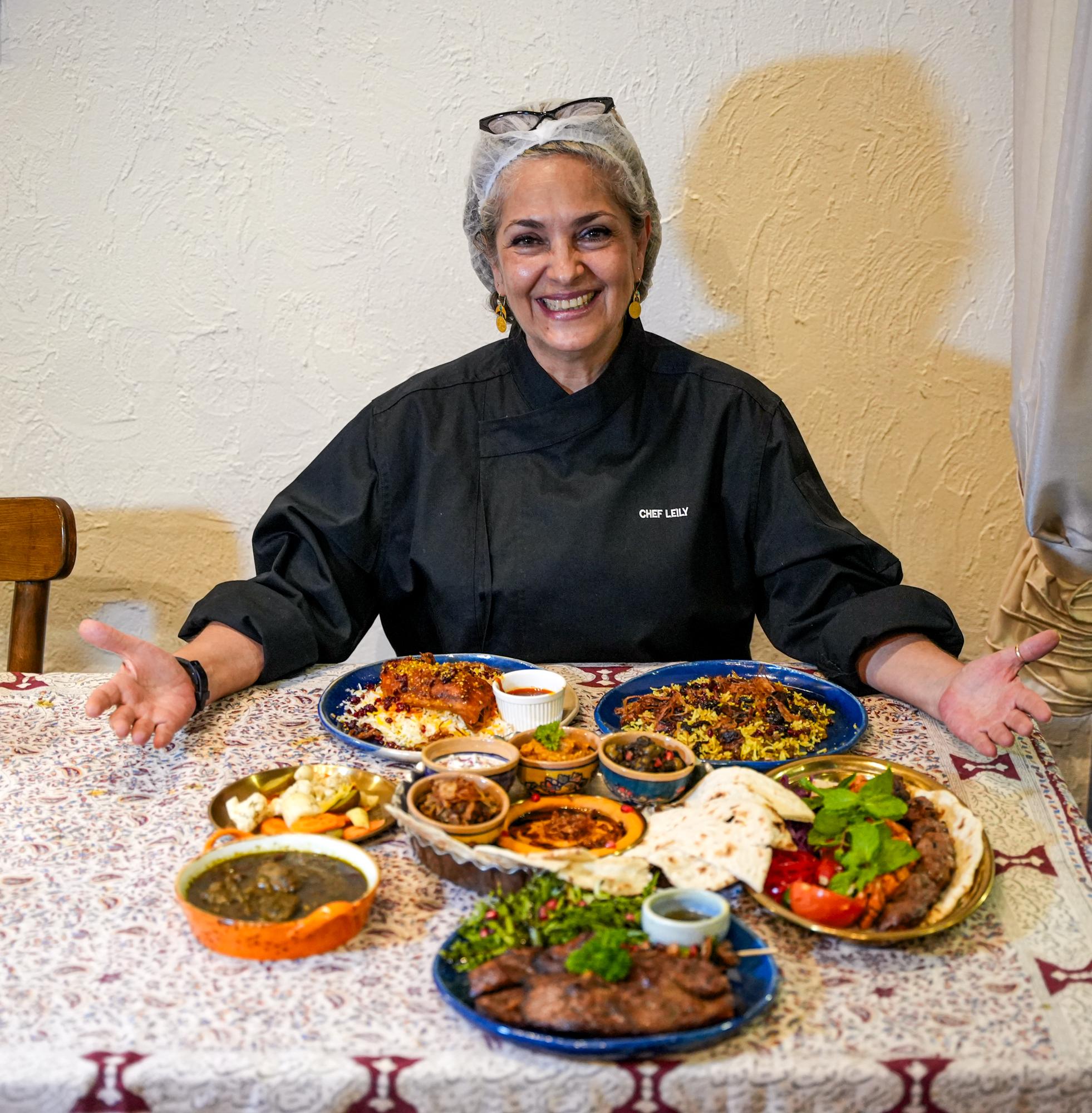
When Leily Amini left her home city of Tehran 35 years ago for a new life in KL, her Malaysian husband fell in love not only with Leily but her home cooking.
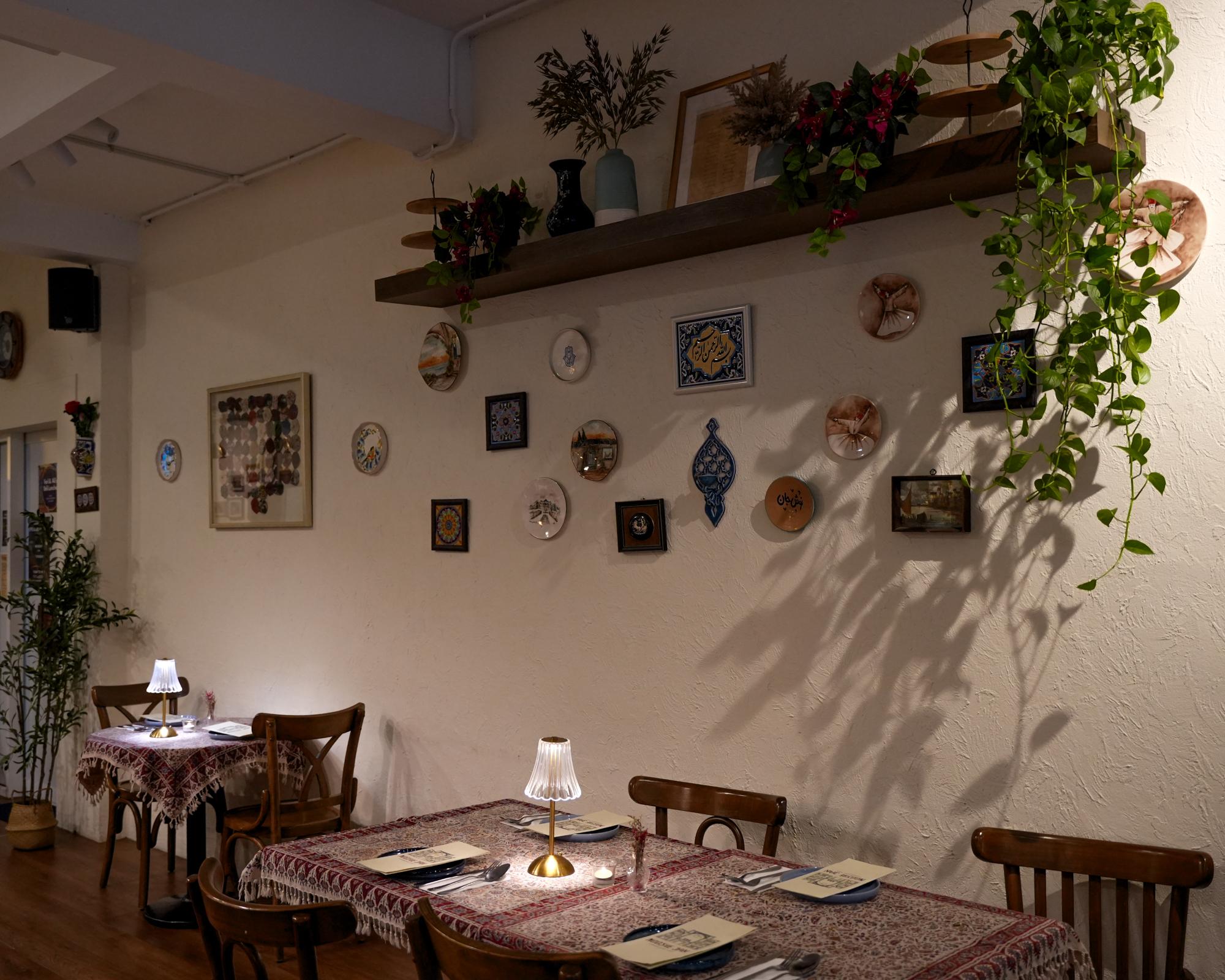
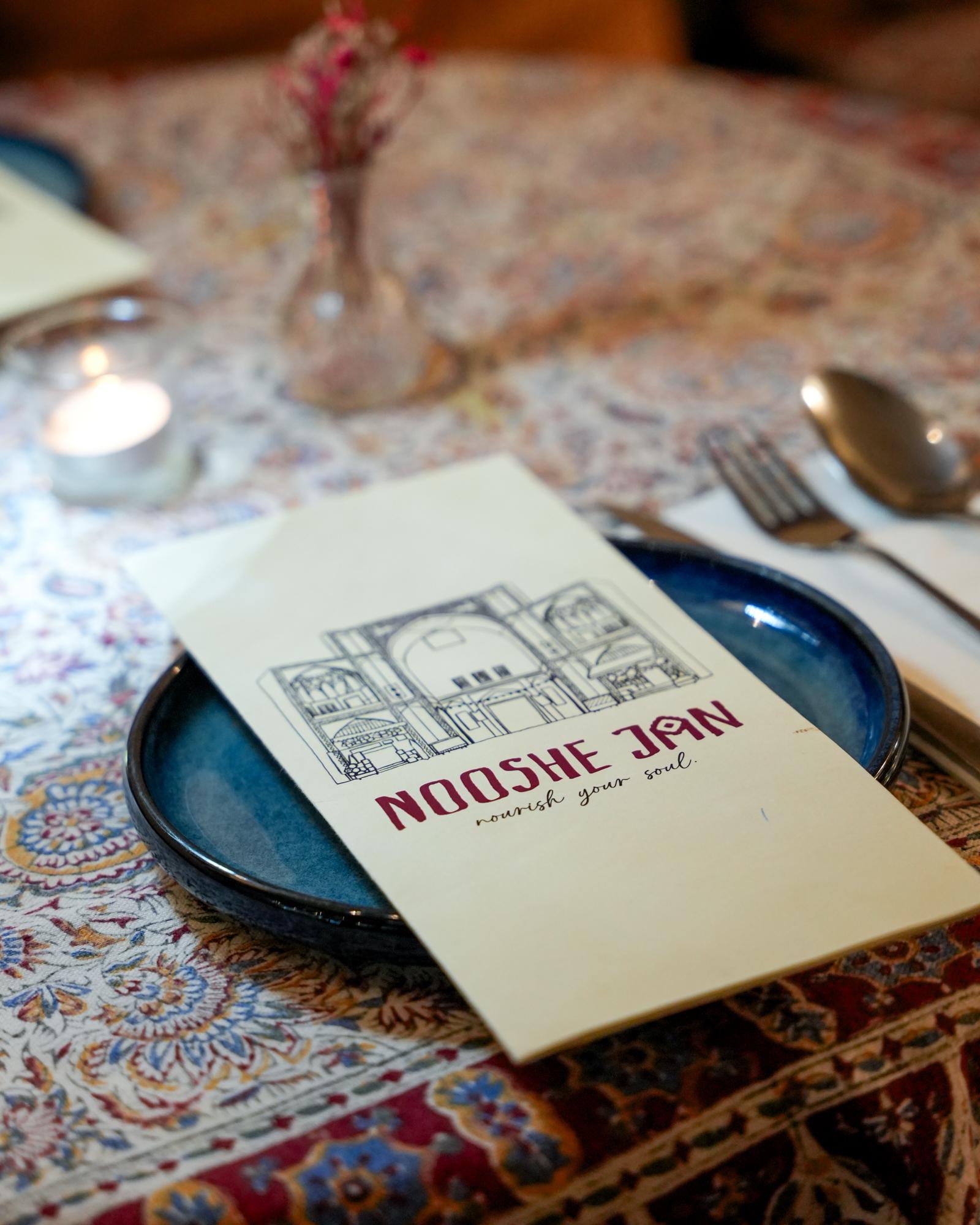
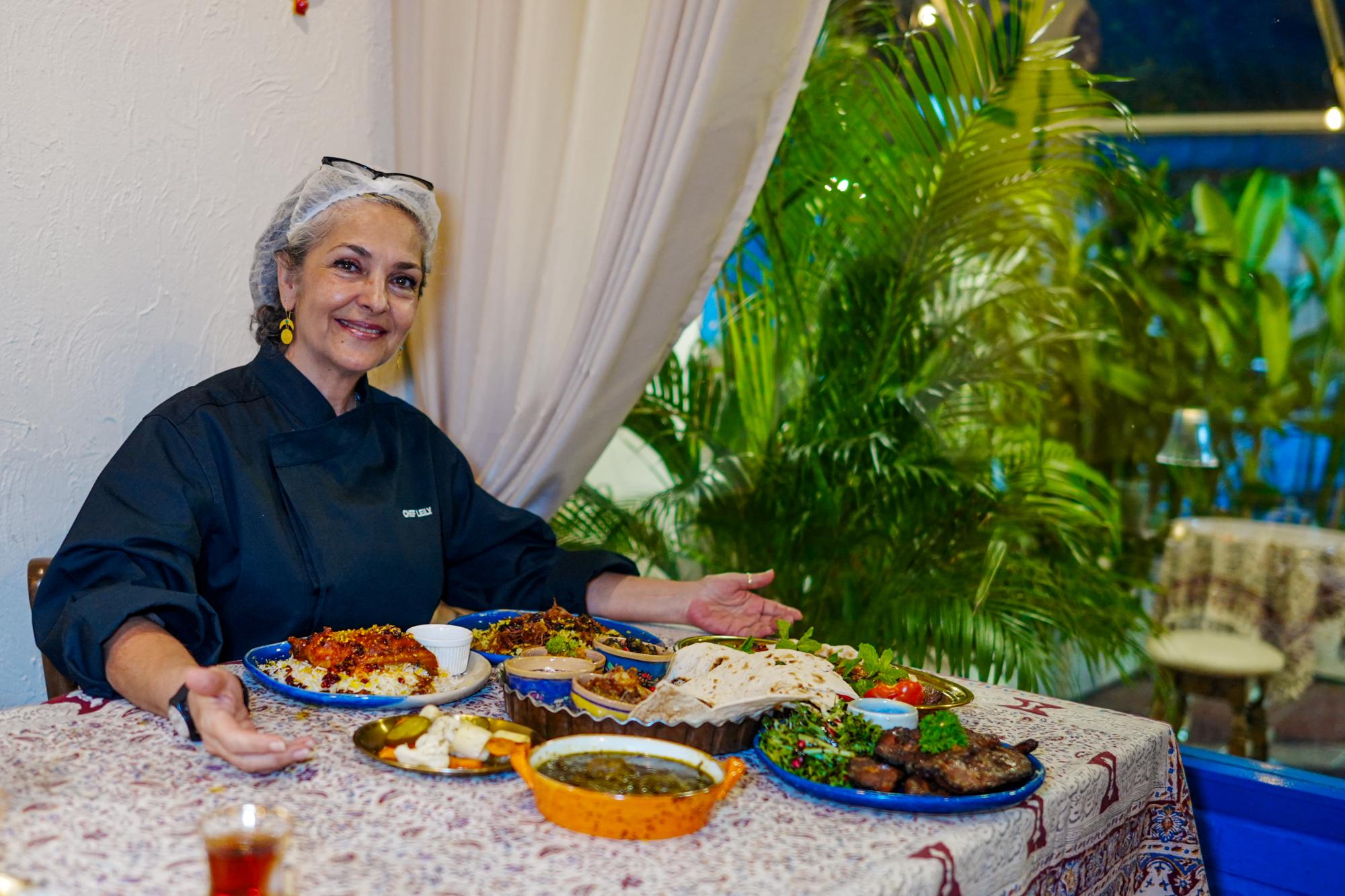
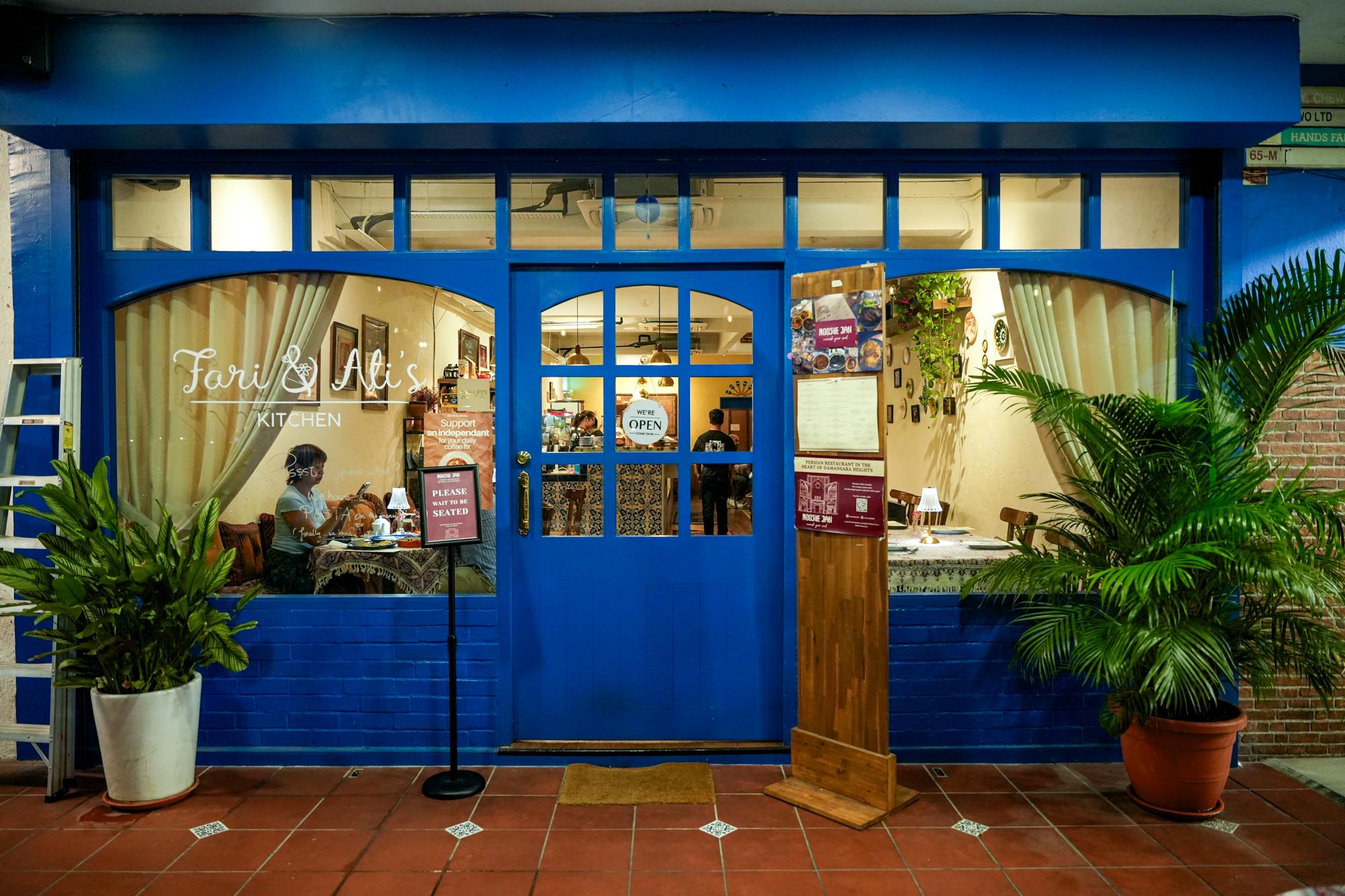
Now, many more Malaysians have come to cherish Leily's time-honoured Persian fare at Nooshe Jan, a singular kitchen that runs every Thursday to Saturday night at Fari & Ali's, the Bukit Damansara cafe of Leily's daughter Samira and niece Athirah.
At six in the morning, Leily starts cooking dinner for Nooshe Jan, with no industrial cauldrons, no machinery to hurry meat toward tenderness. She cooks with patience and low flames, until lamb loosens at a fork's touch, till herbs, spices and sauces settle into meat. She harnesses ghee, butter and olive oil lightly, with no deep-frying in her repertoire.
Nooshe Jan's food remains faithful to generations of Persian mothers, with fundamentals like saffron, barberries and kashk brought in from Iran, even though transport disruptions this year have made them harder and costlier to secure, with some prices doubling.
Dishes like ghormeh sabzi, zereshk polo ba morgh and adas polo build depth through dairy, dried fruit, nuts and souring agents like dried lime and pomegranate, for sweet and savoury, aromatics and acidity to find their equilibrium.
Leily, who recently turned sixty, and her family have made Nooshe Jan a profoundly personal experience, resonant in cuisine and culture alike.
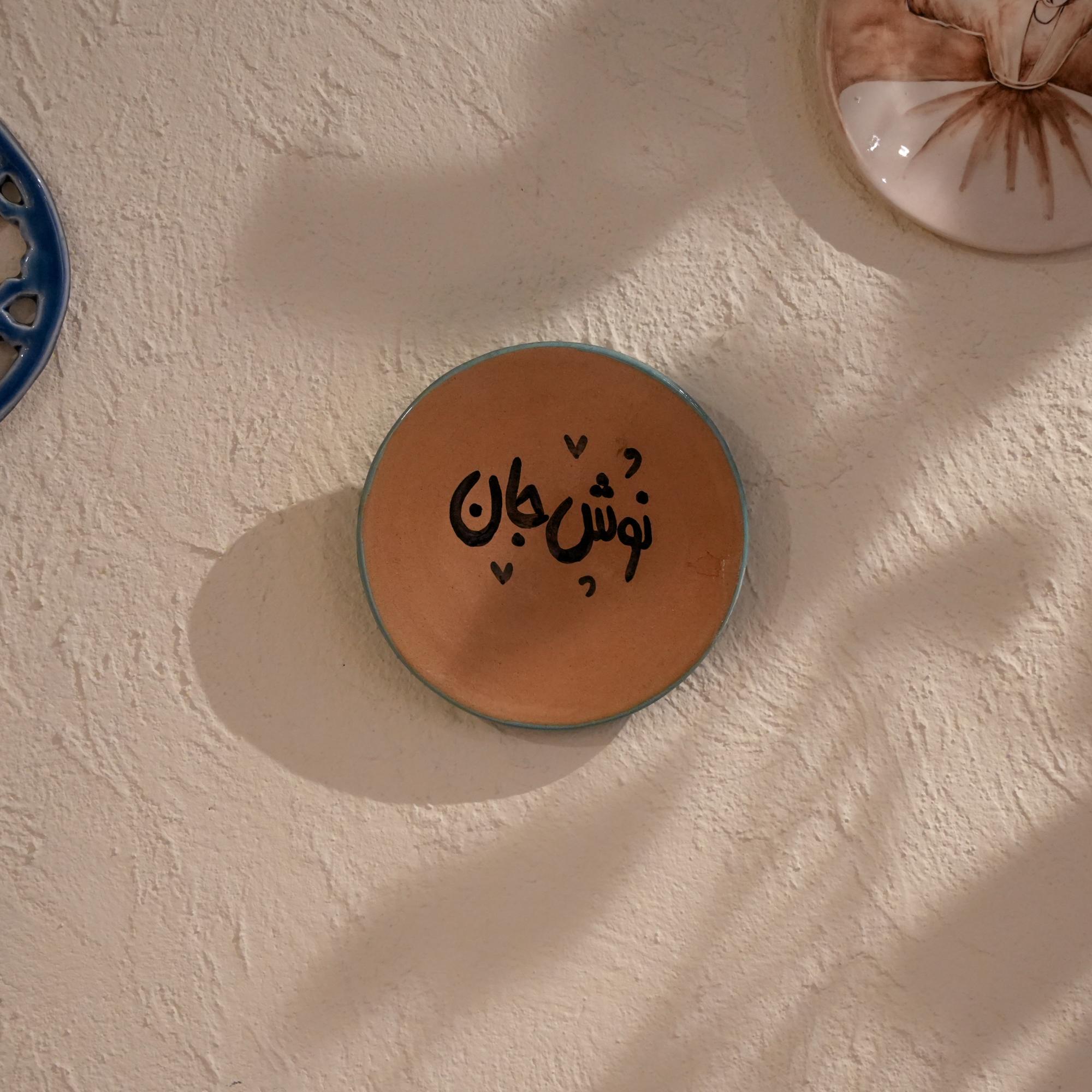
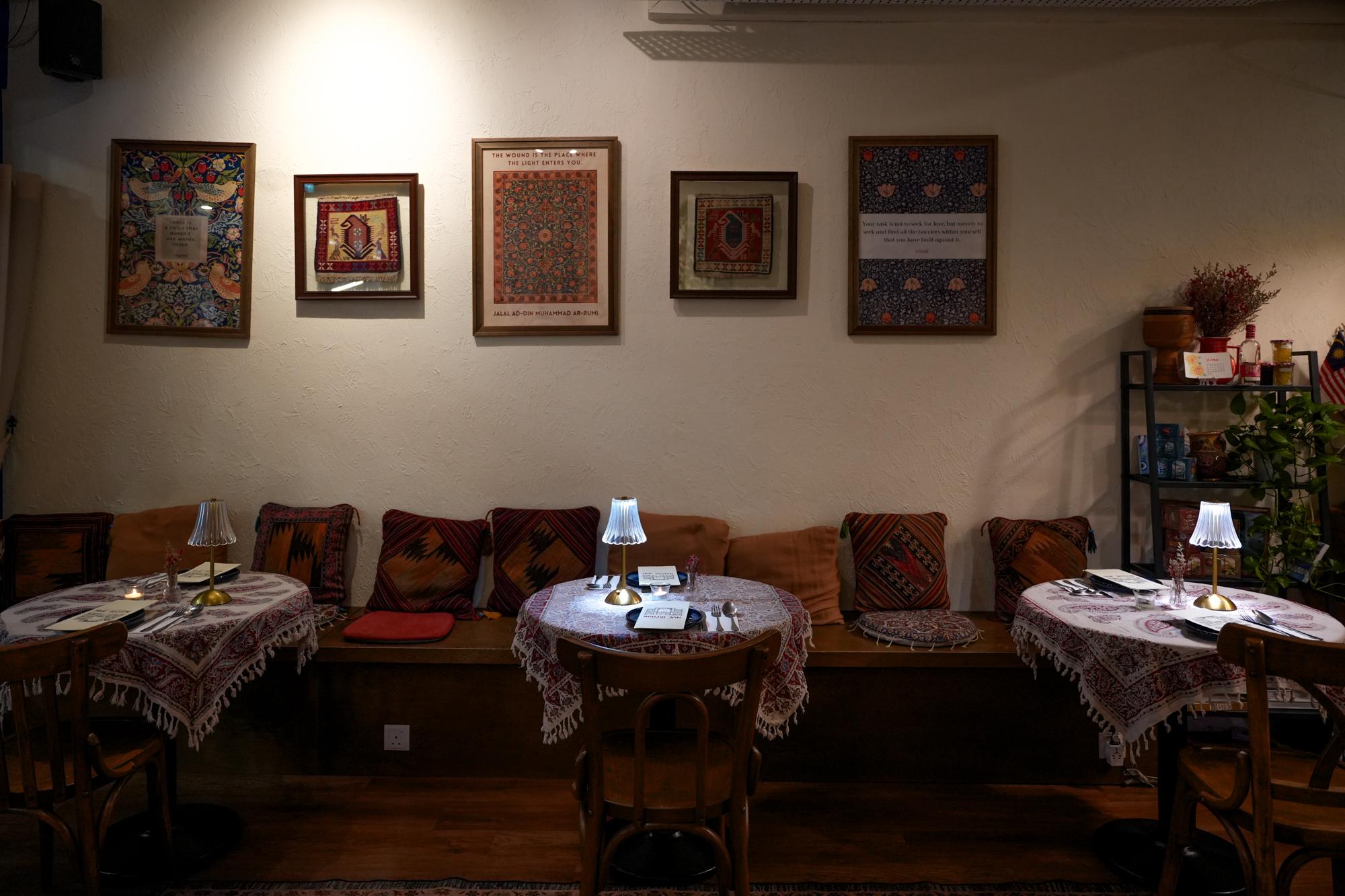
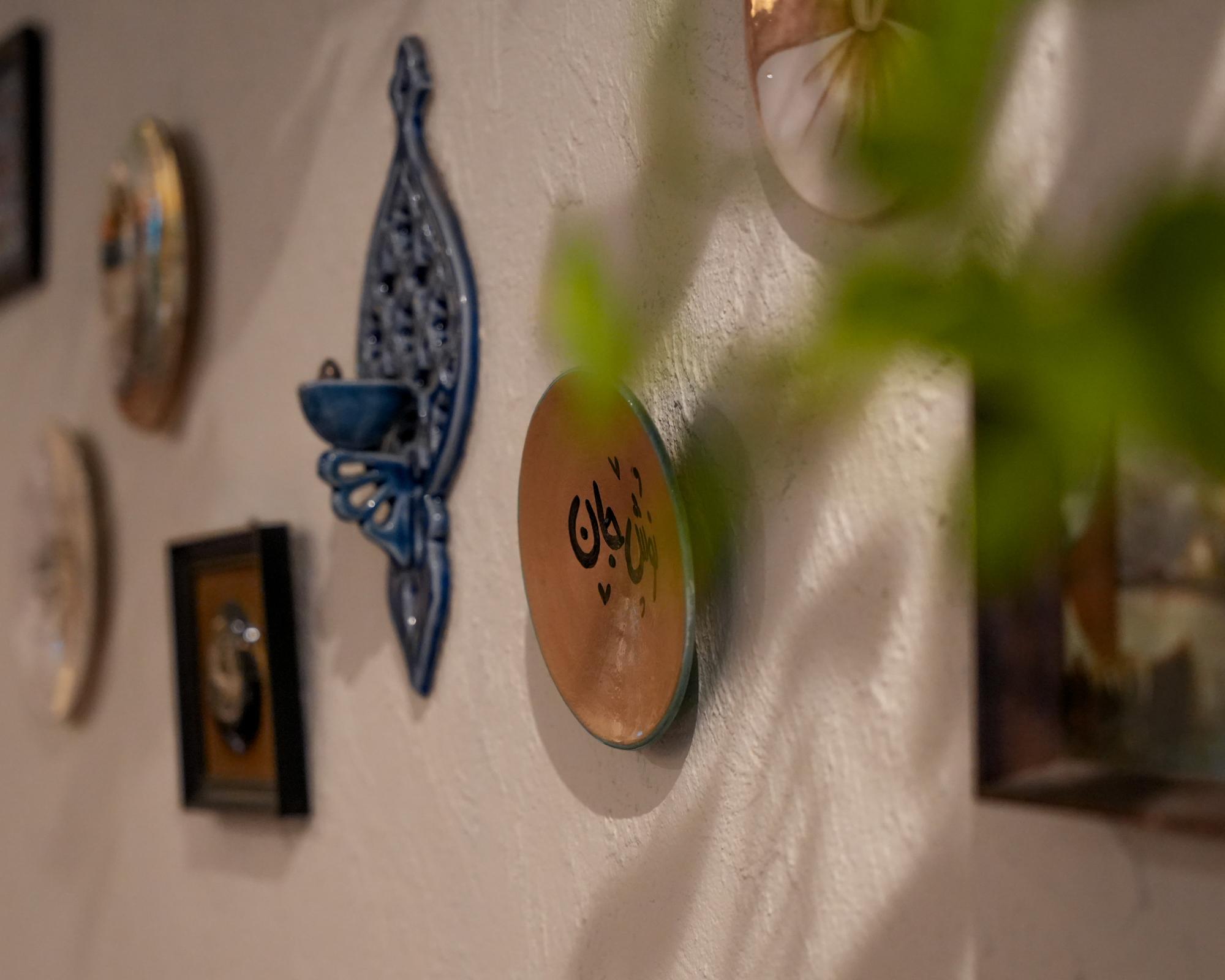
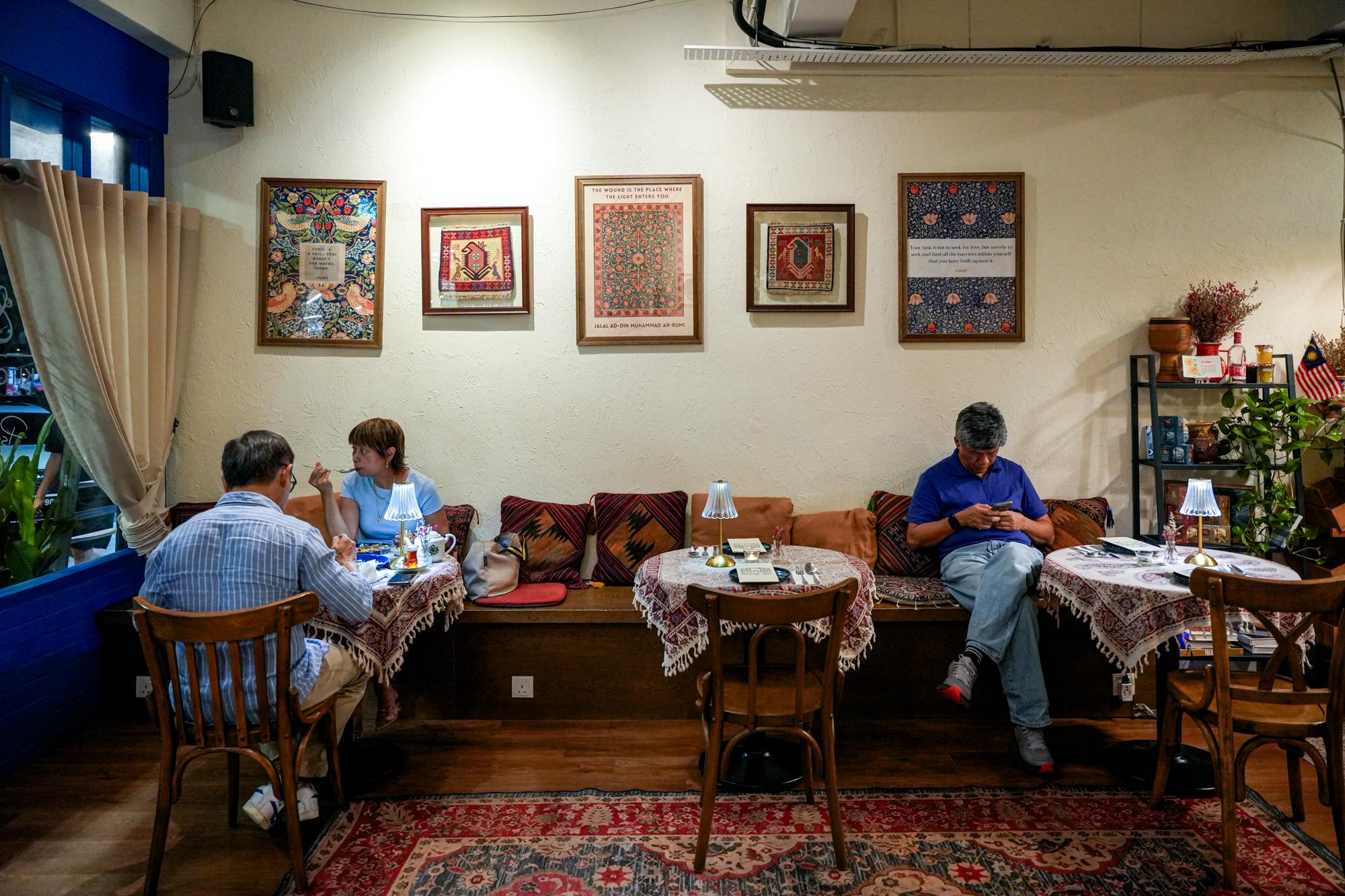
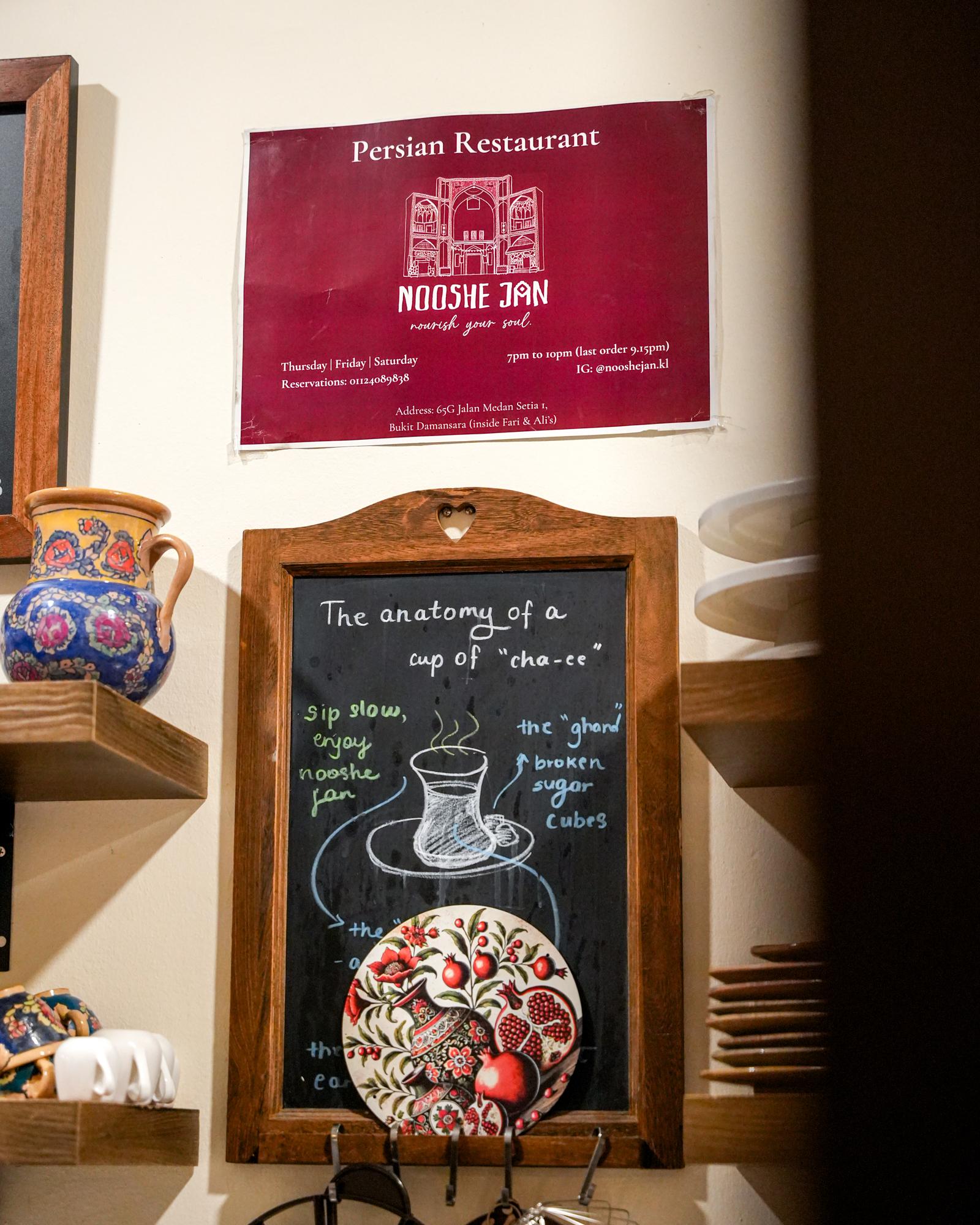
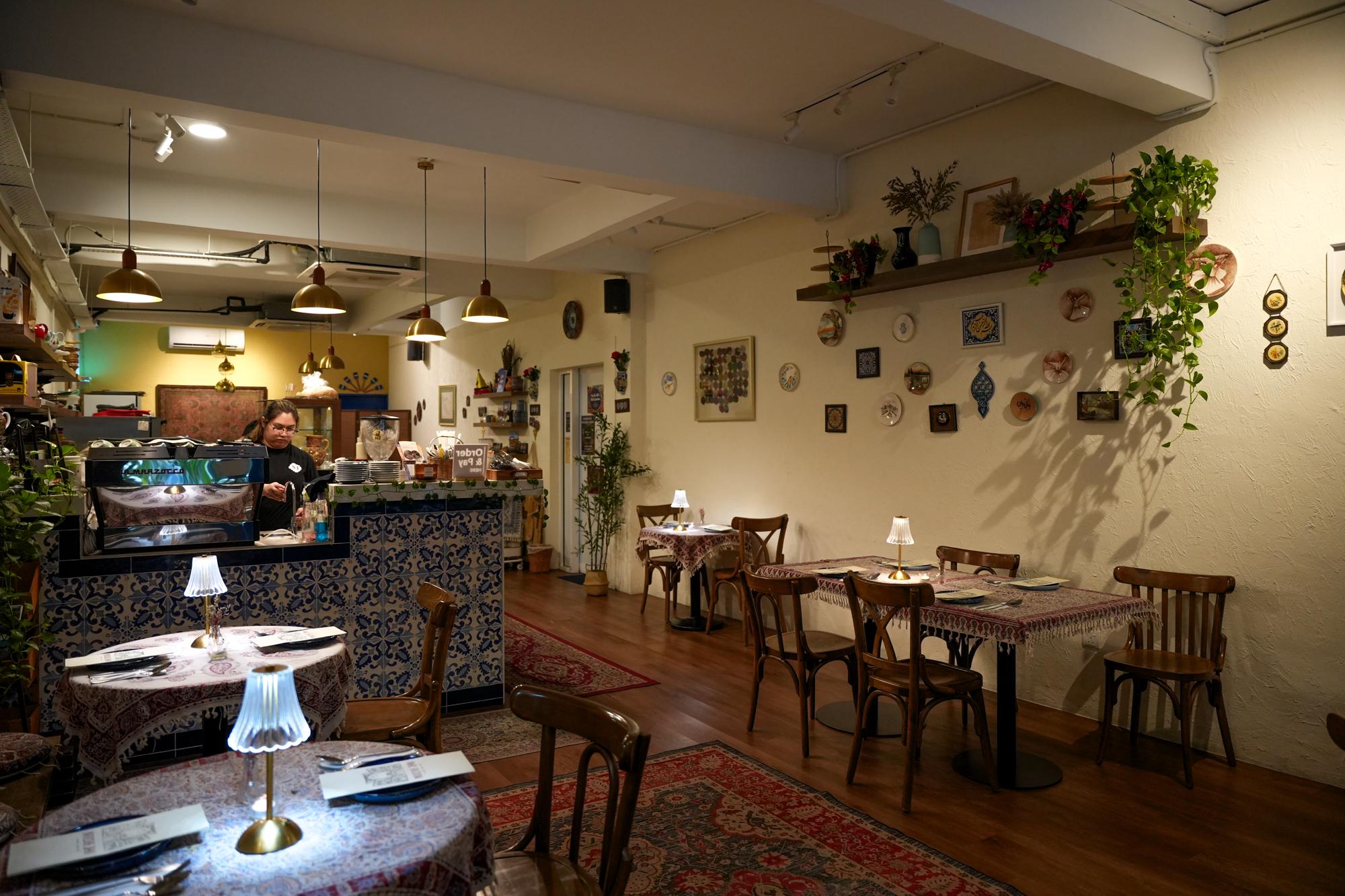
Small lamps illuminate Persian-patterned tablecloths; framed family portraits, textiles and ceramics soften the walls. The script for Nooshe Jan surfaces on a small earthen plaque, the Persian expression offered before a meal, 'may it nourish your soul,' a benediction more intimate than bon appétit, because it wishes pleasure not only for the palate but for the person.
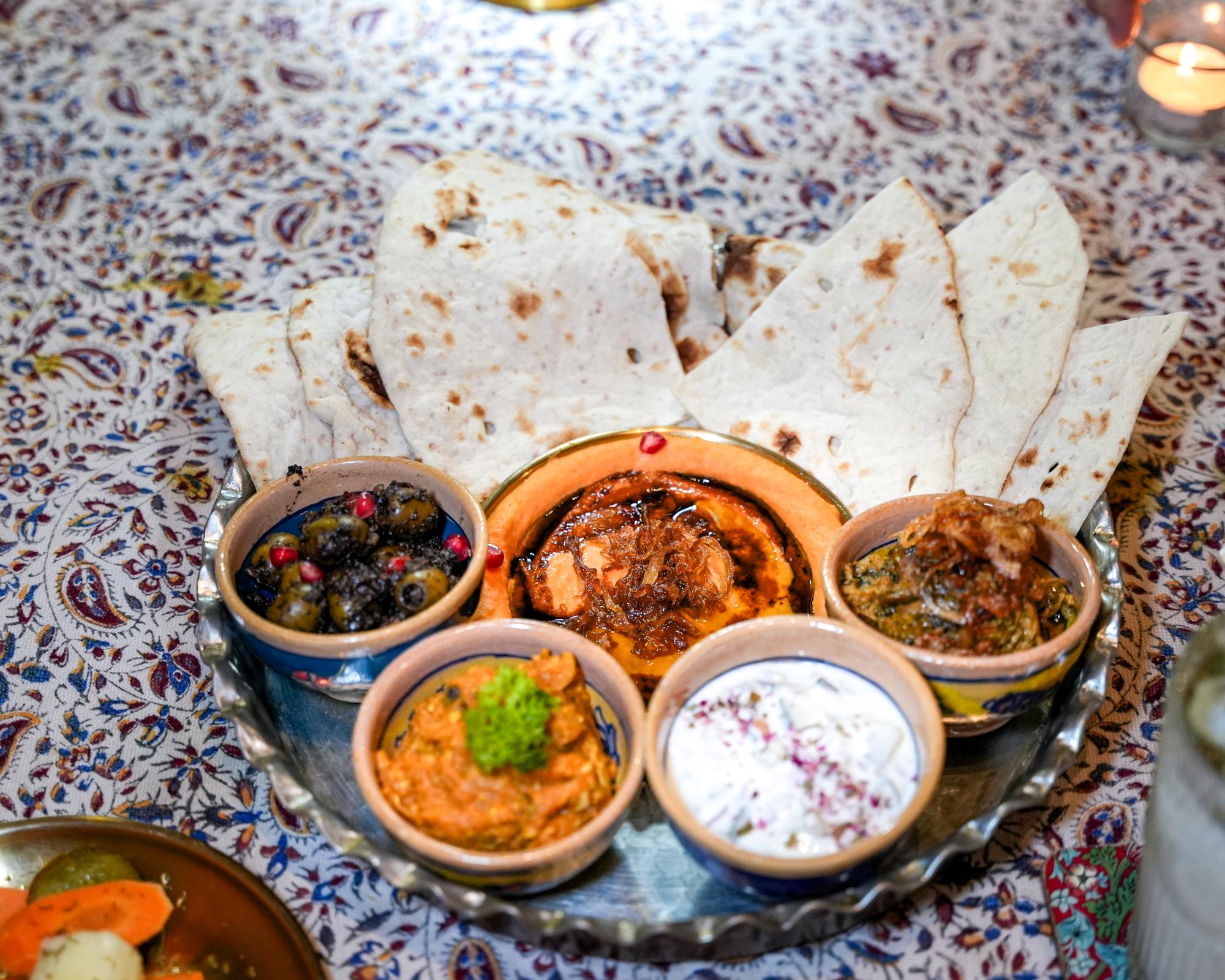
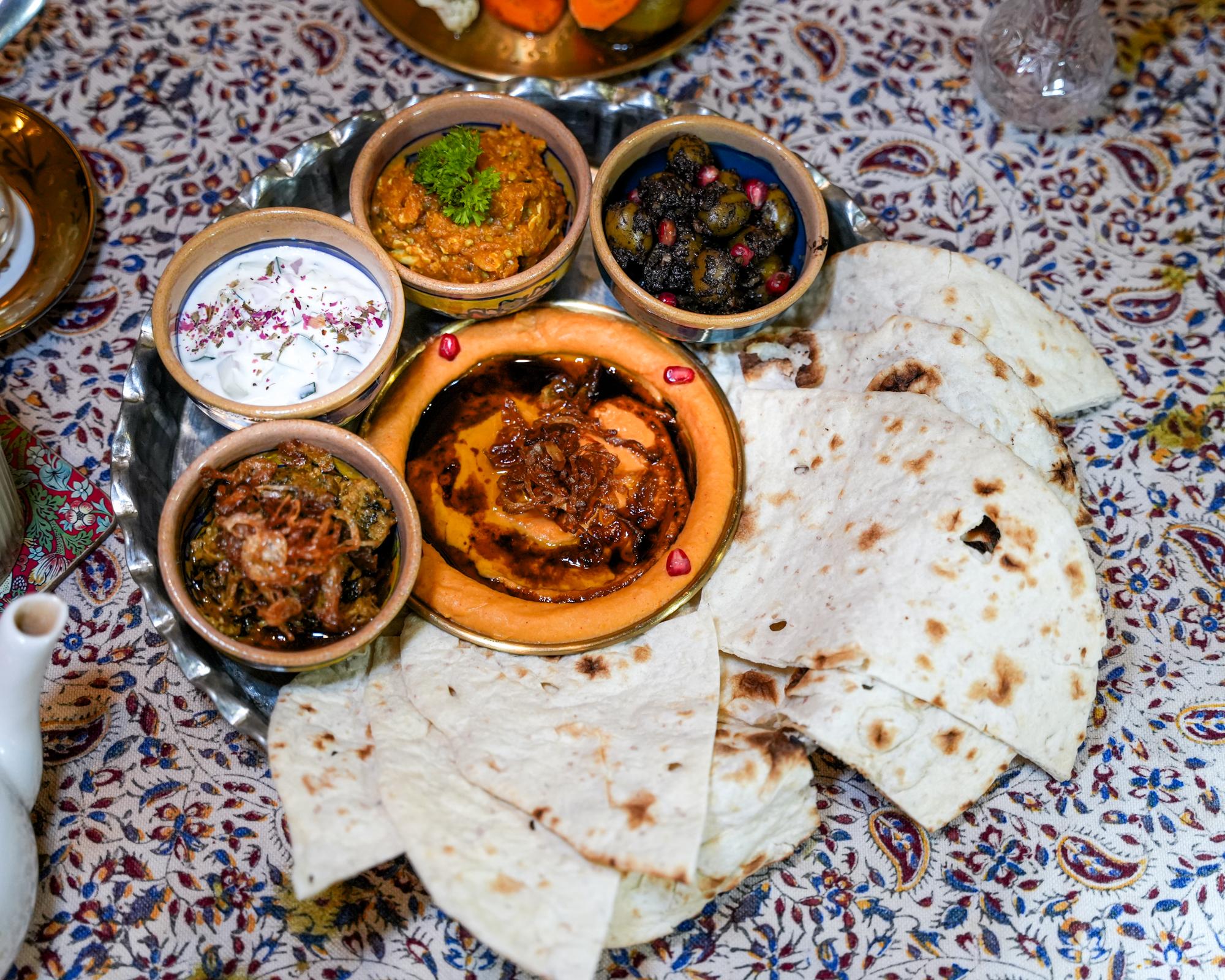
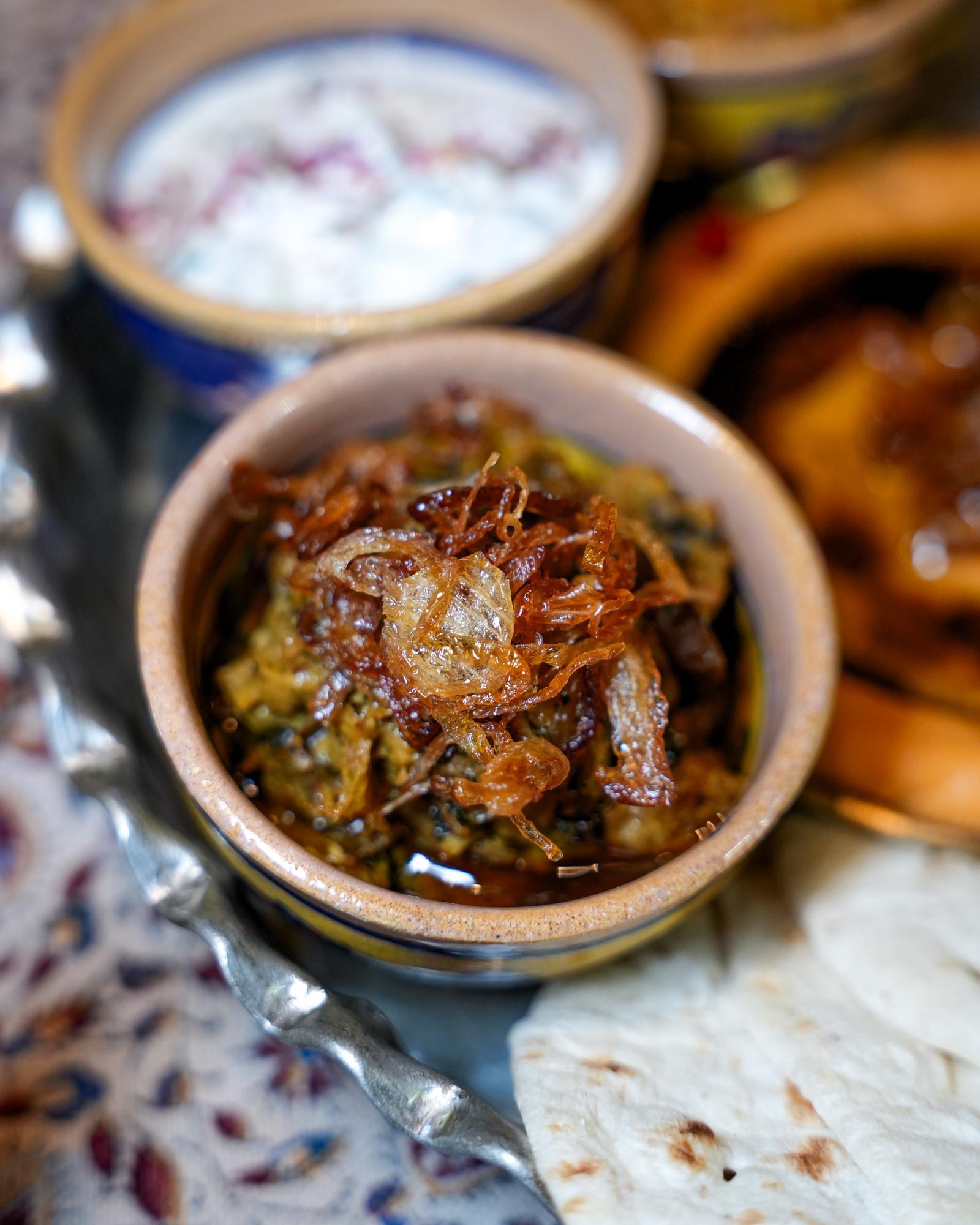
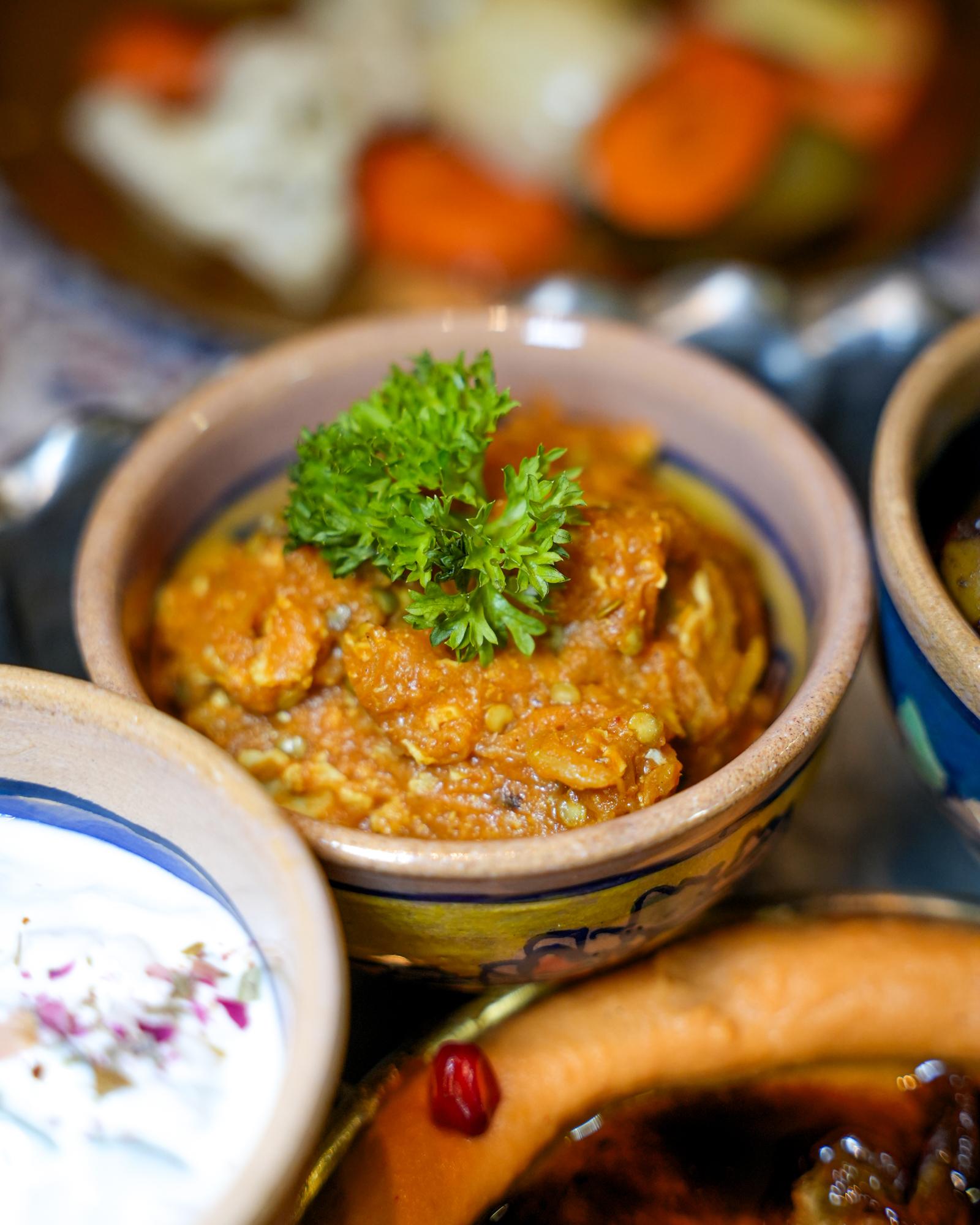
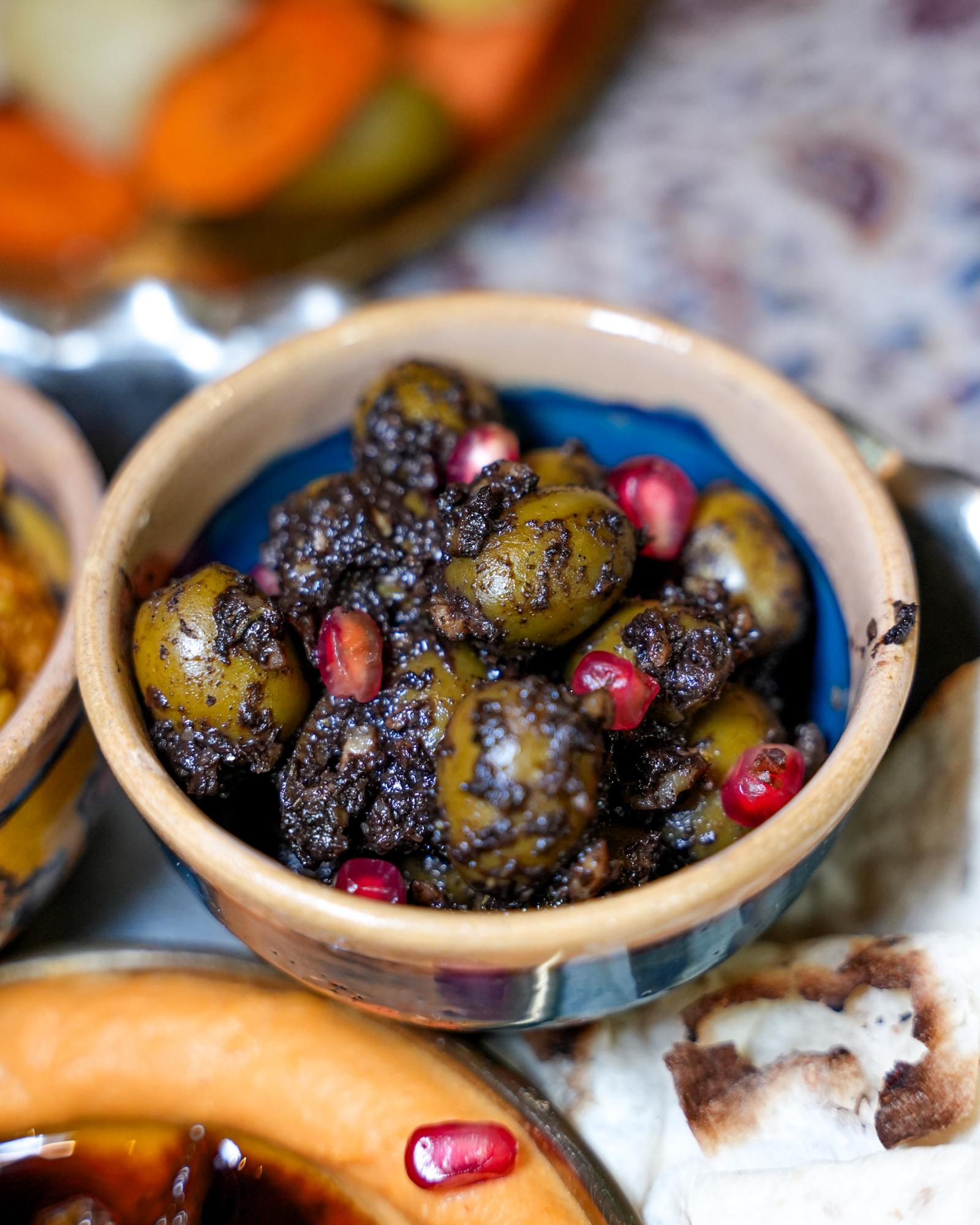
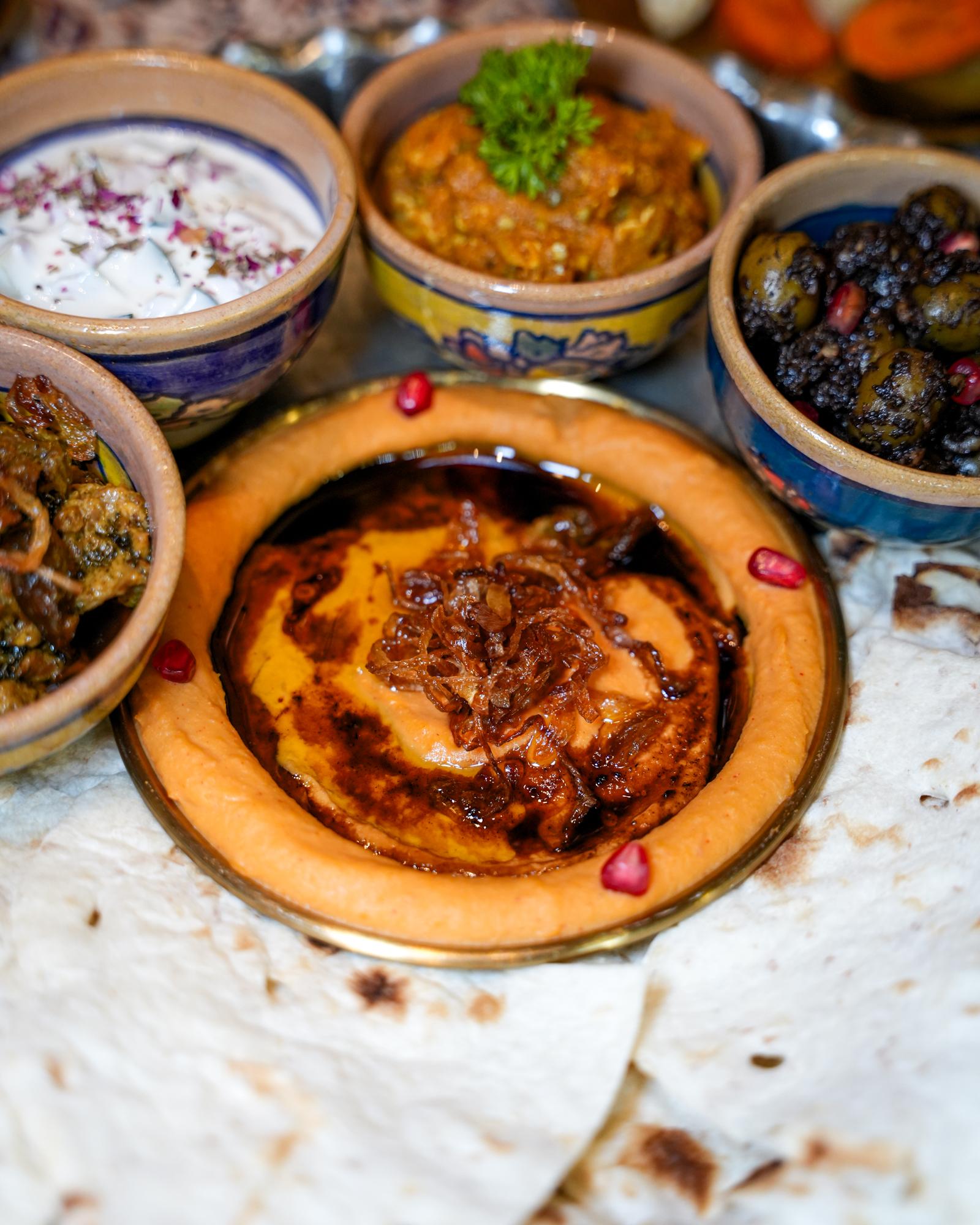
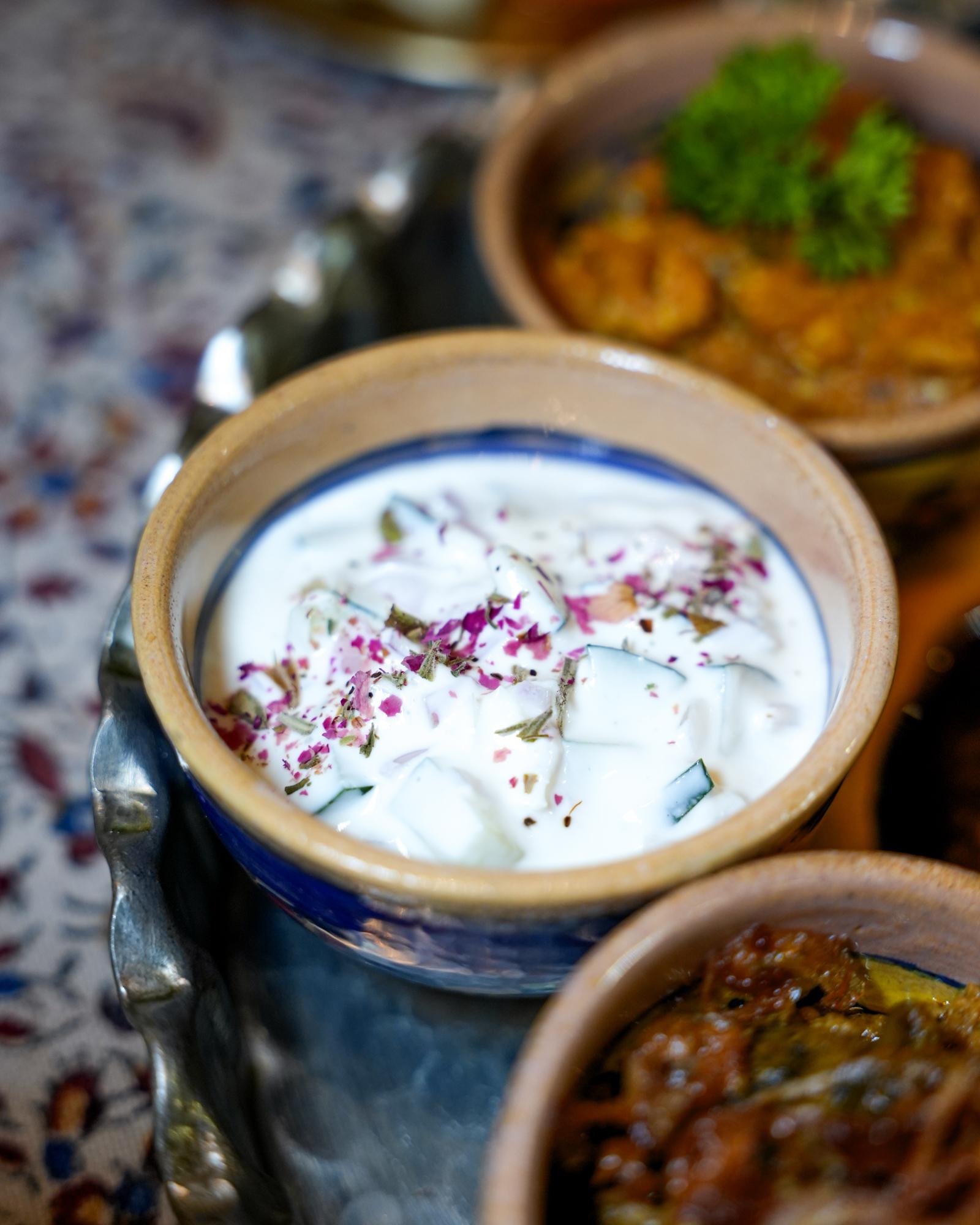
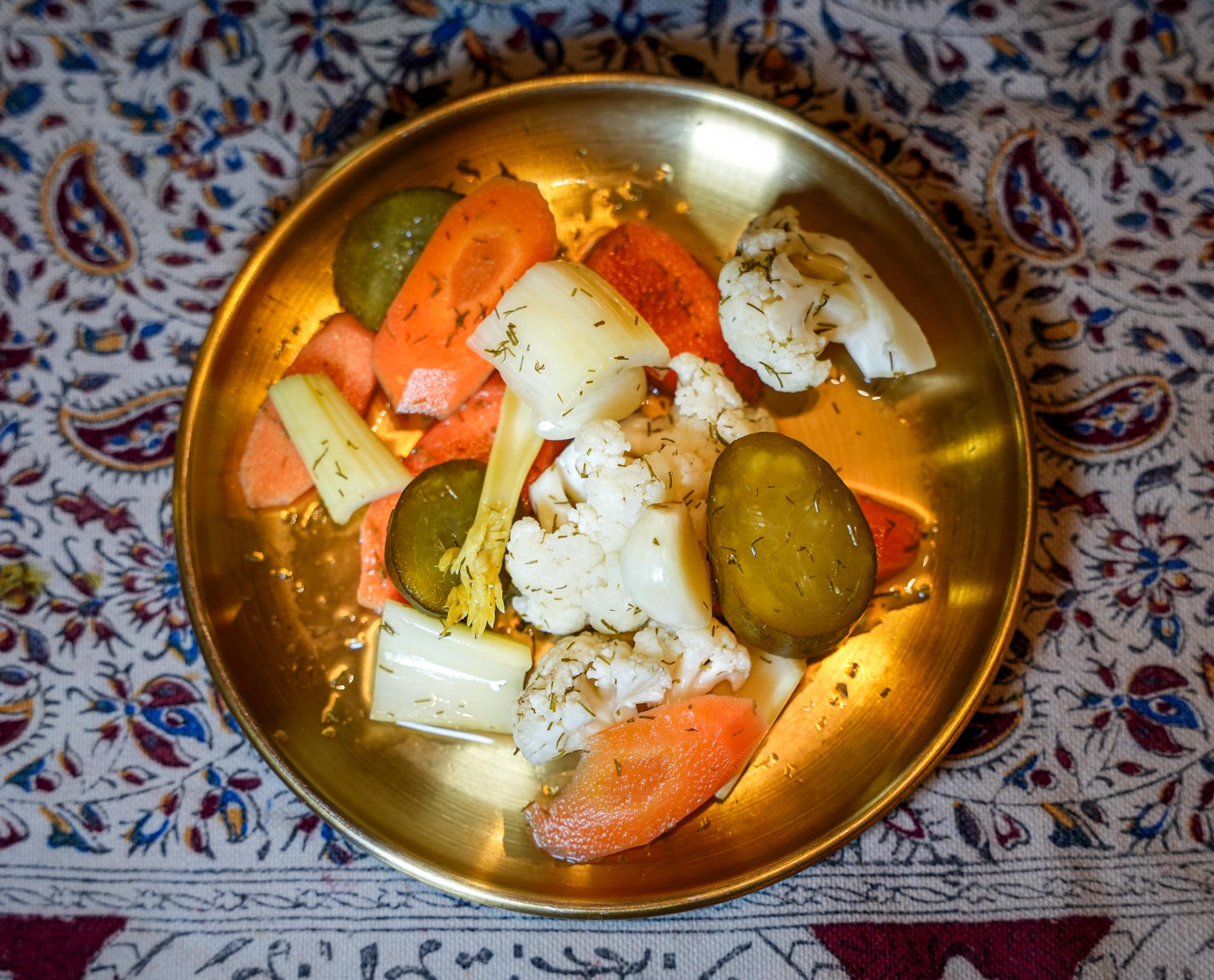
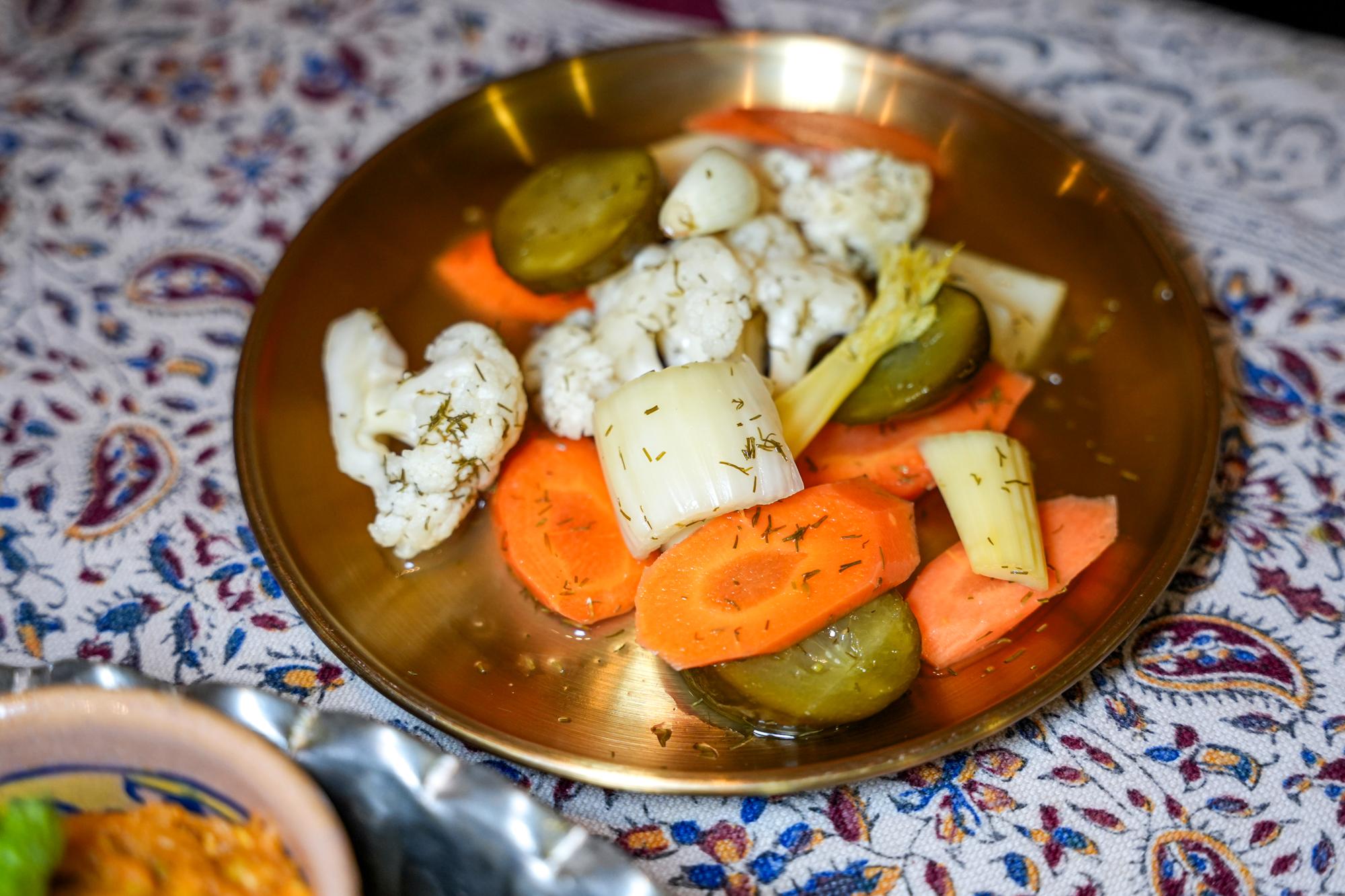
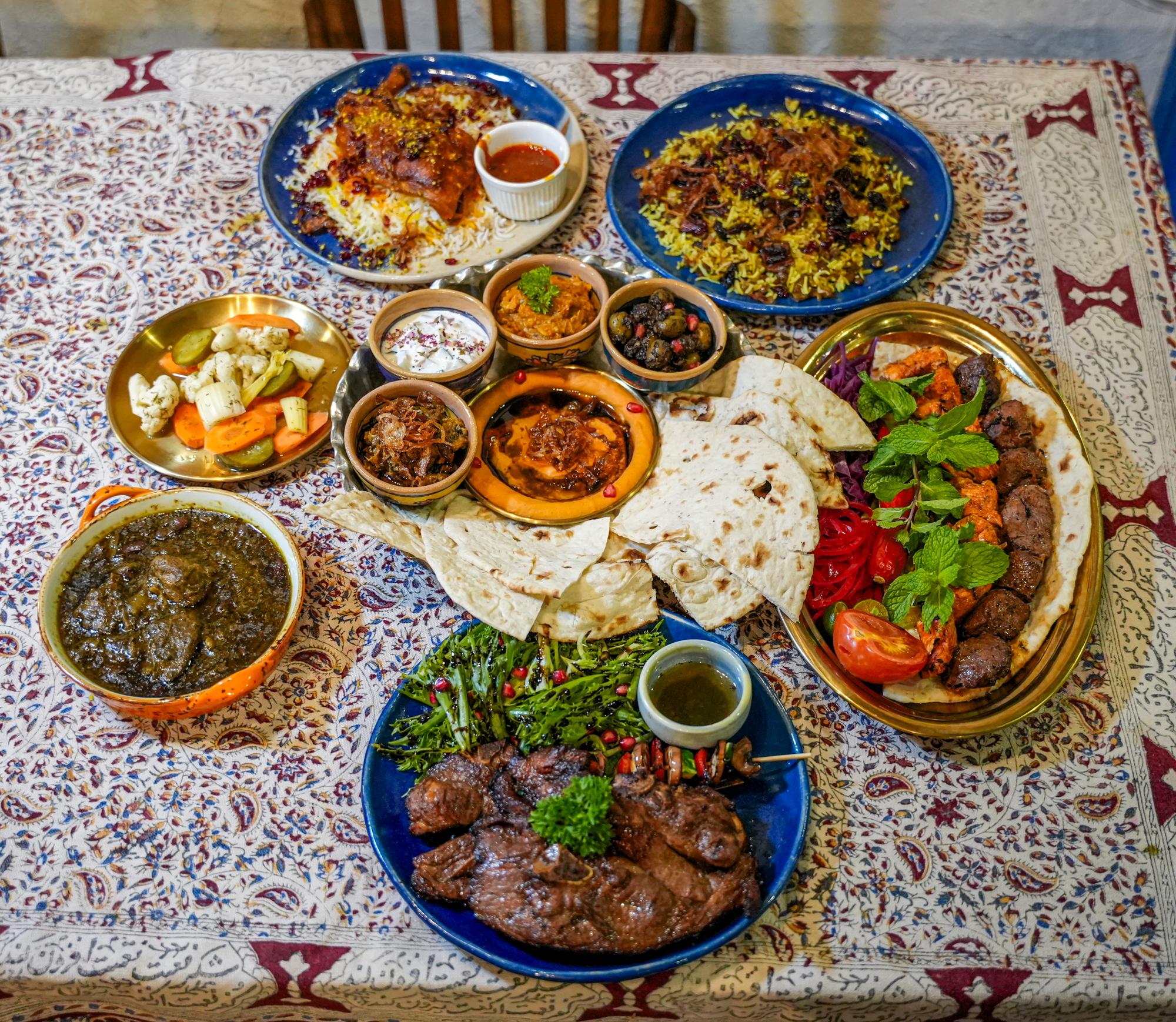
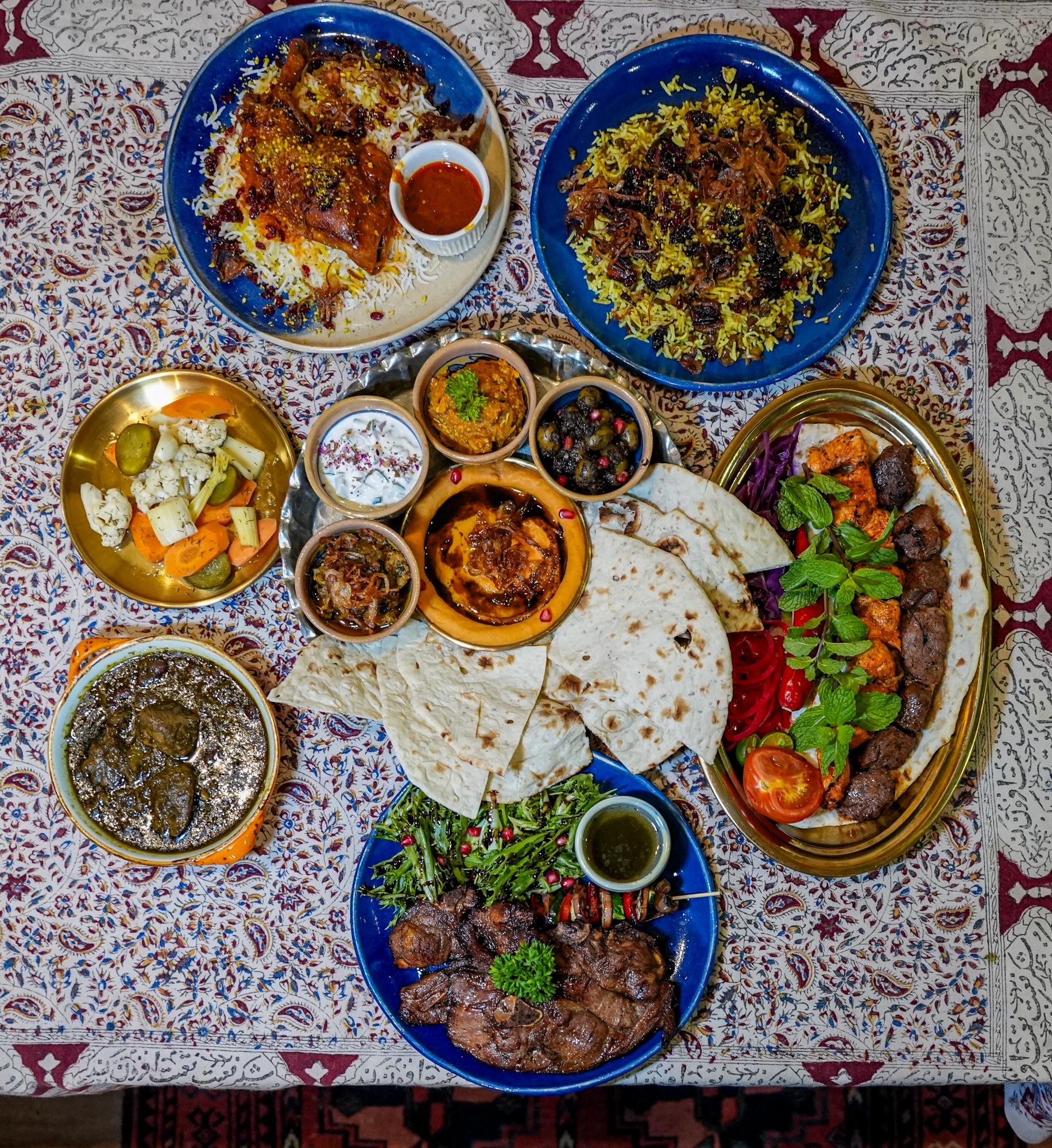
The Mezze Platter opens like a Persian atlas, fringing flatbread with five dips and relishes.
Kashk-e bademjan is one of Iran's most beloved appetisers, combining softened aubergine with saffron, kashk, fried onions and herbs. Kashk, a concentrated fermented dairy product historically valued to preserve milk, supplies saline muscle to the silken mash.
Two other bowls carry the cooking of Gilan, a lush Caspian province: Mirza ghasemi folds smoky aubergine with tomato, garlic and egg, while zeytoon parvardeh dresses olives with walnuts, pomegranate and herbs, for produce pulled from fire and field.
Caramelised-onion hummus is a cosmopolitan outlier, while mast-o-khiar brings the cool, clean relief of yoghurt and cucumber with rose petals for a tart, tempering counterpoint to rice, meat and braised dishes.
Also order the shoor, a selection of salted and pickled vegetables like cauliflower and carrots, their vinegary snap stirring the tastebuds between spoonfuls of stew.
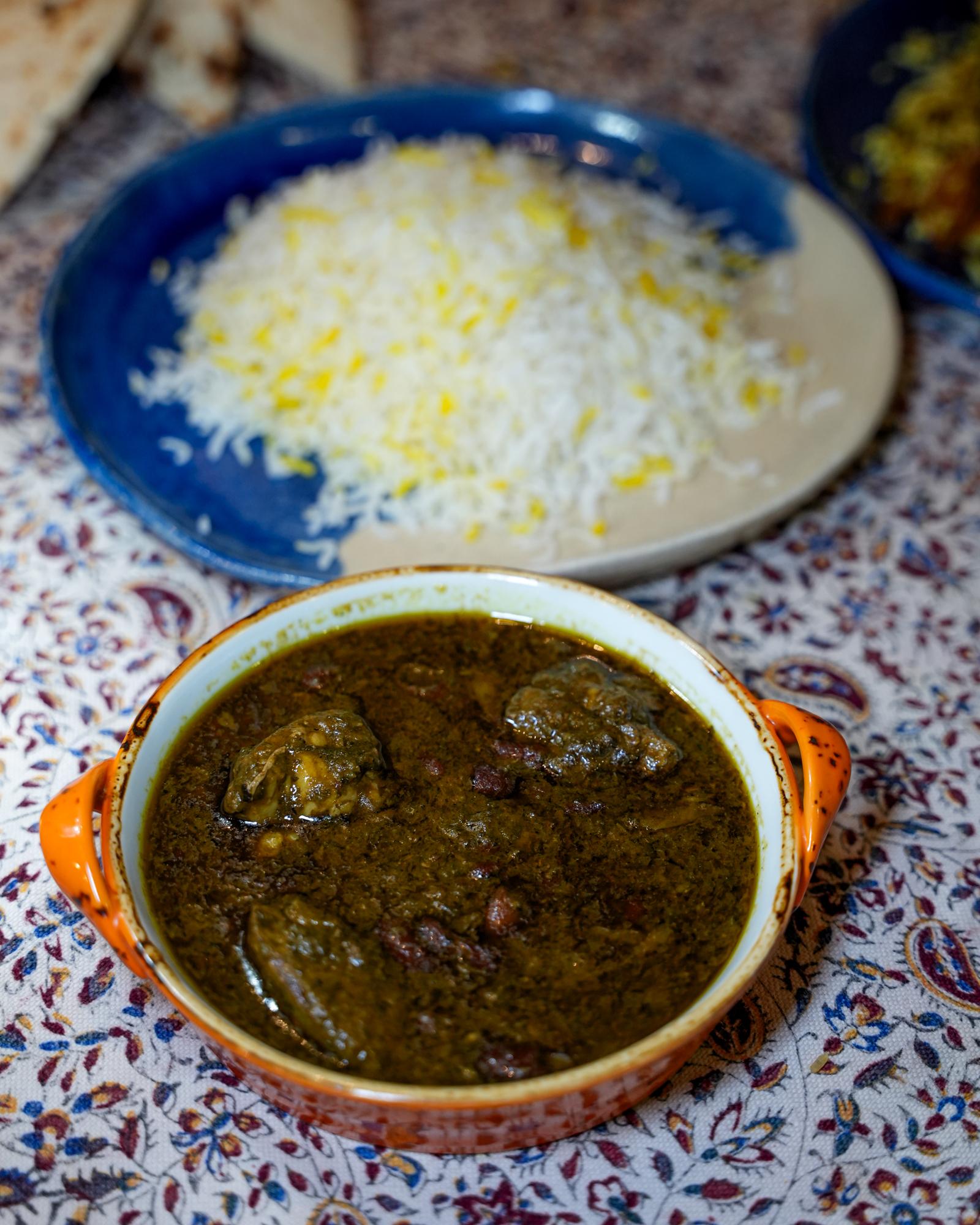
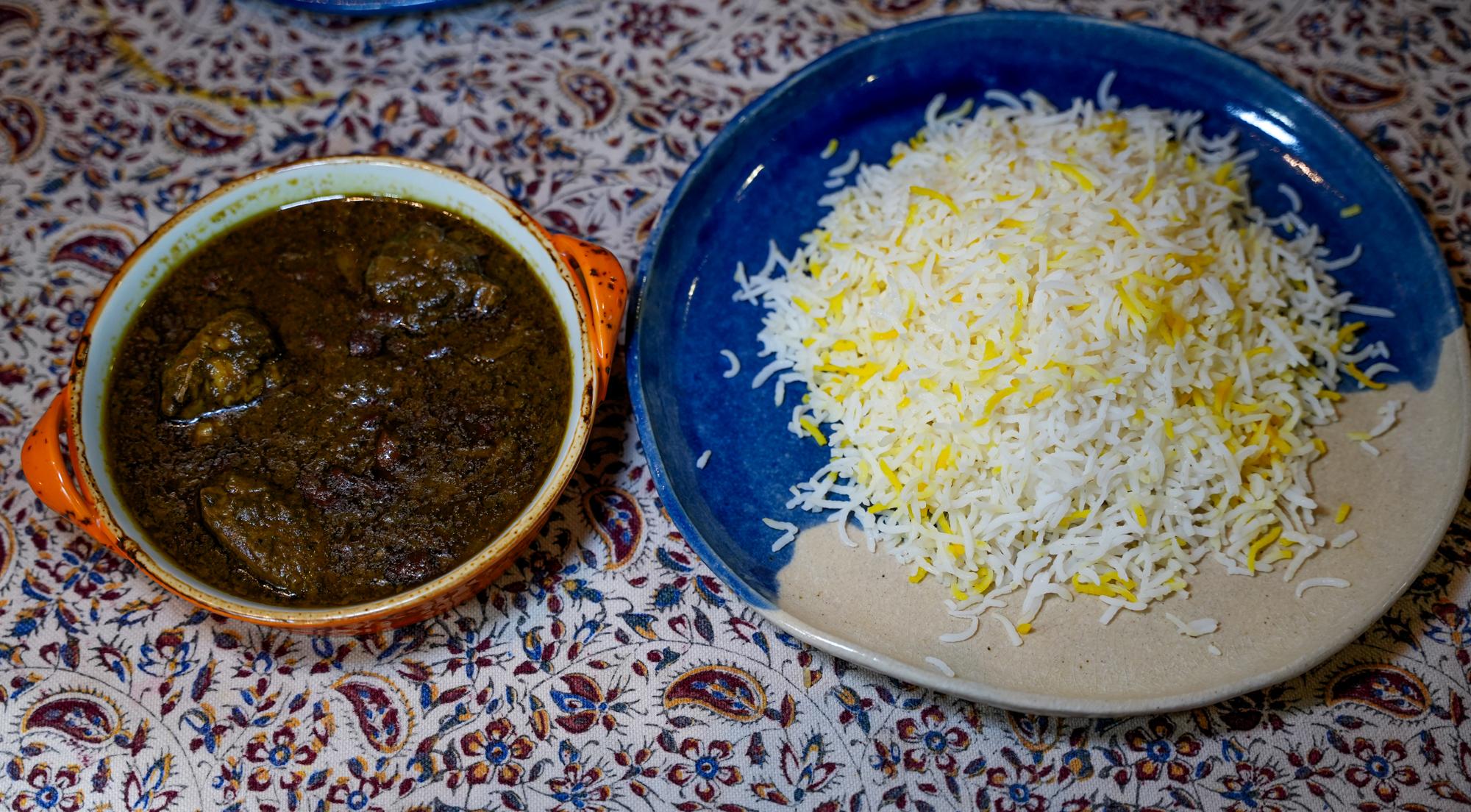
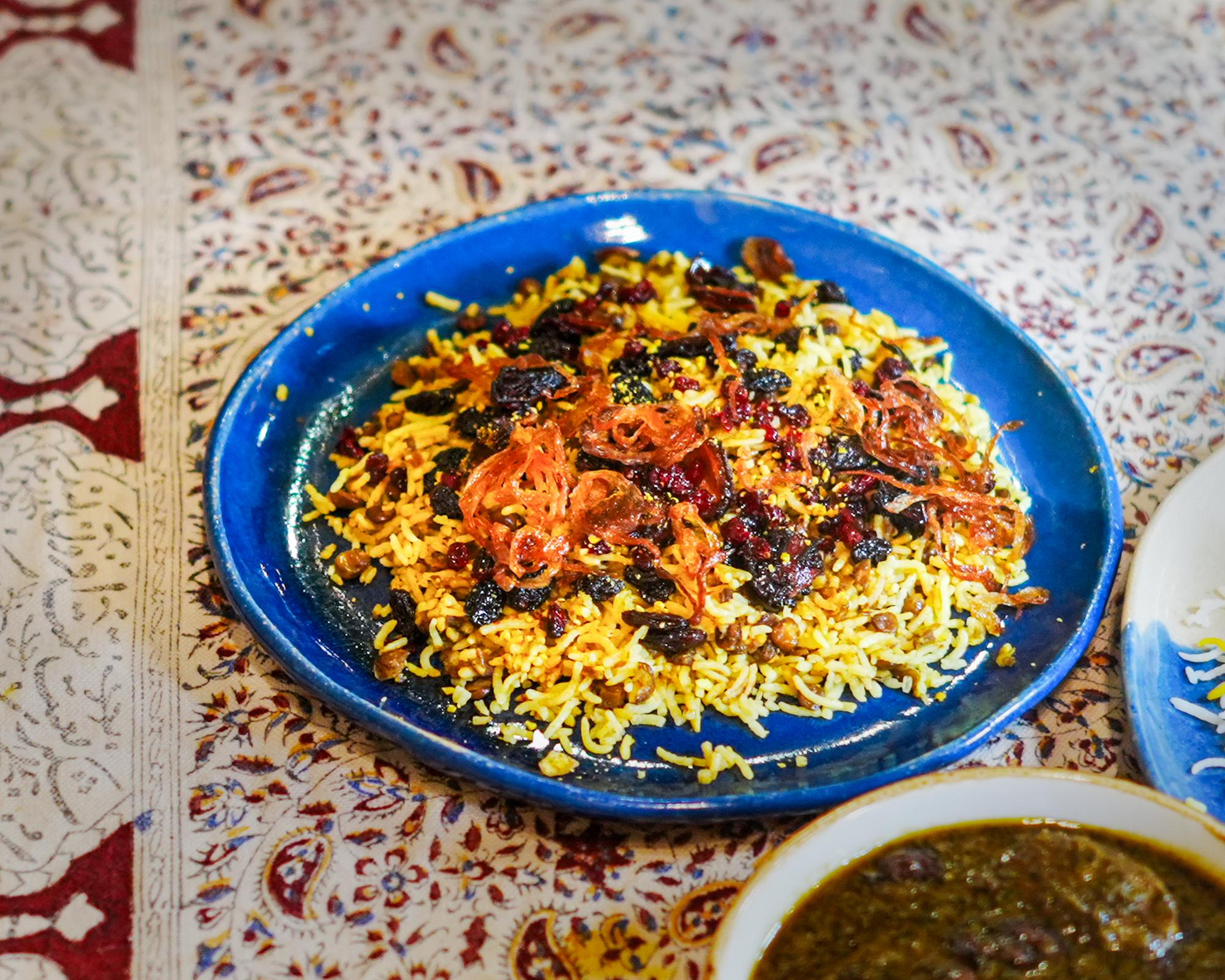
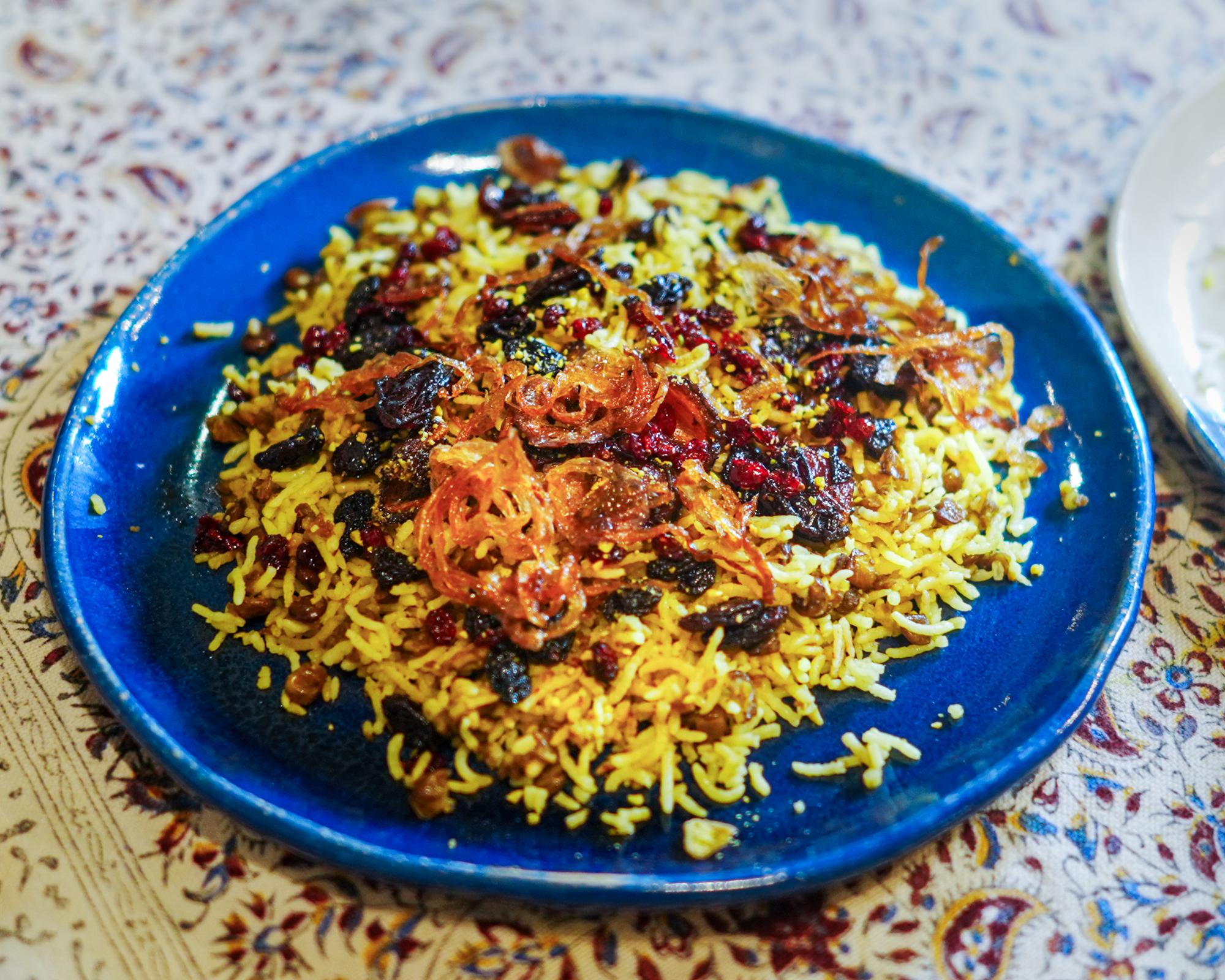
Nooshe Jan splits its mains between Maman Paz, plates from the pot, and Mangal Paz, dishes shaped by the grill. The first set comes with saffron-streaked polow rice; if you're here for the night's last seating, request some tahdig, the prized crust at the bottom of the rice pot.
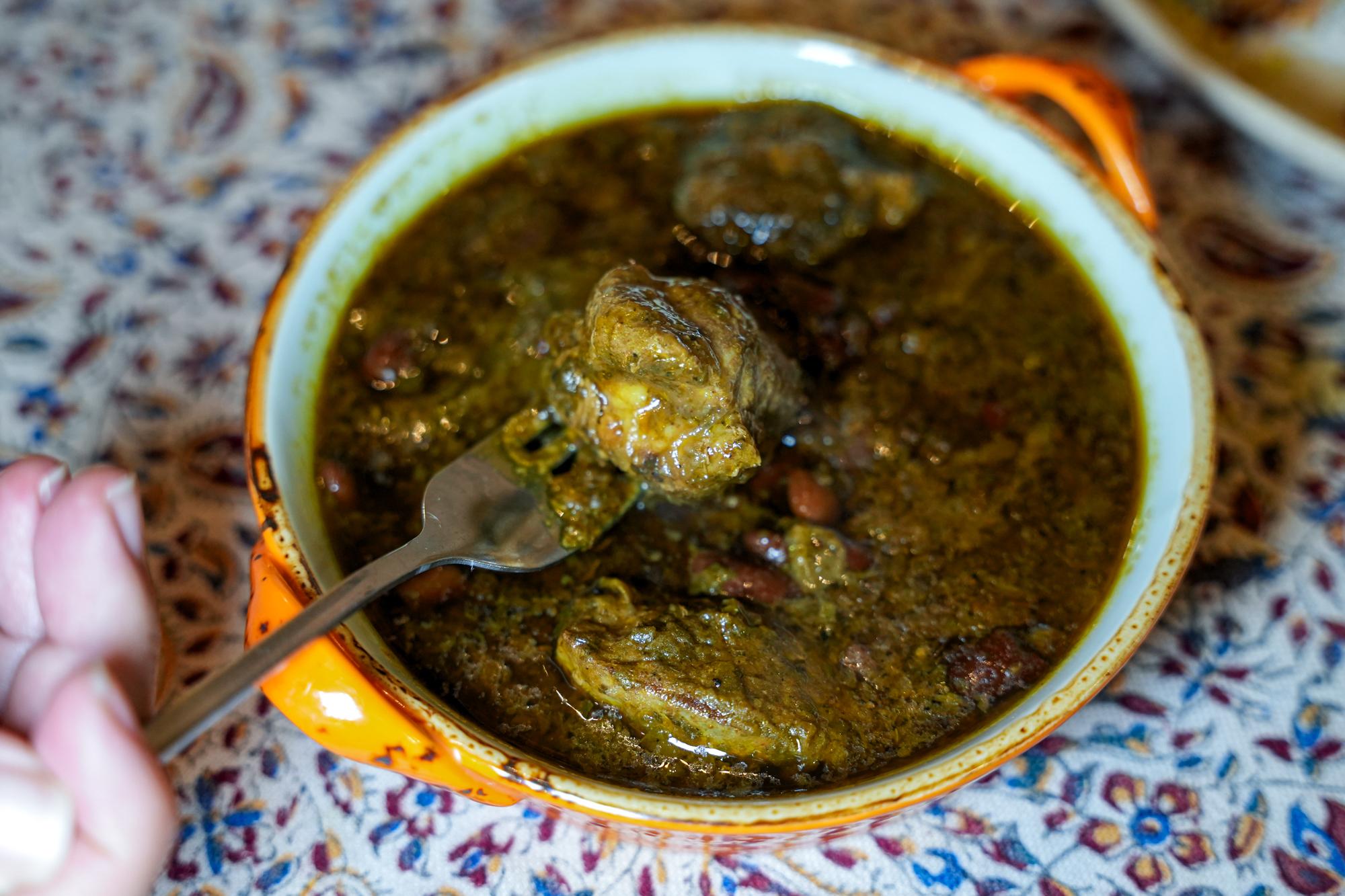
Khoresh-e Ghormeh Sabzi, regarded as Iran's national dish, is an heirloom recipe that Leily credits to her grandmother. Lamb, kidney beans and dried limes are simmered in a darkly herbaceous stew with a slew of vegetables, each washed, cut and cooked slowly, surrendering their verdancy into a cohesive braise with huge emotional weight for Iranians.
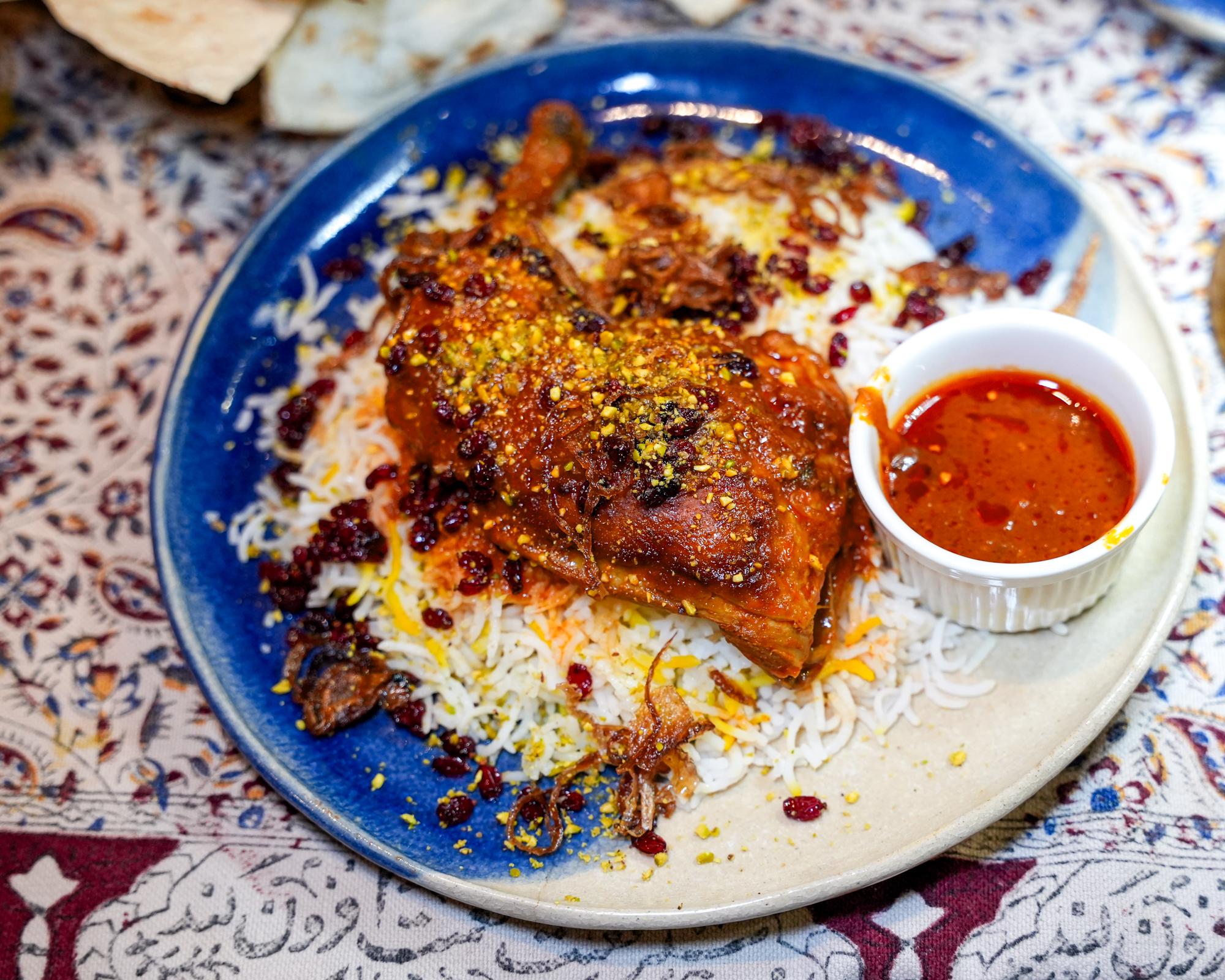
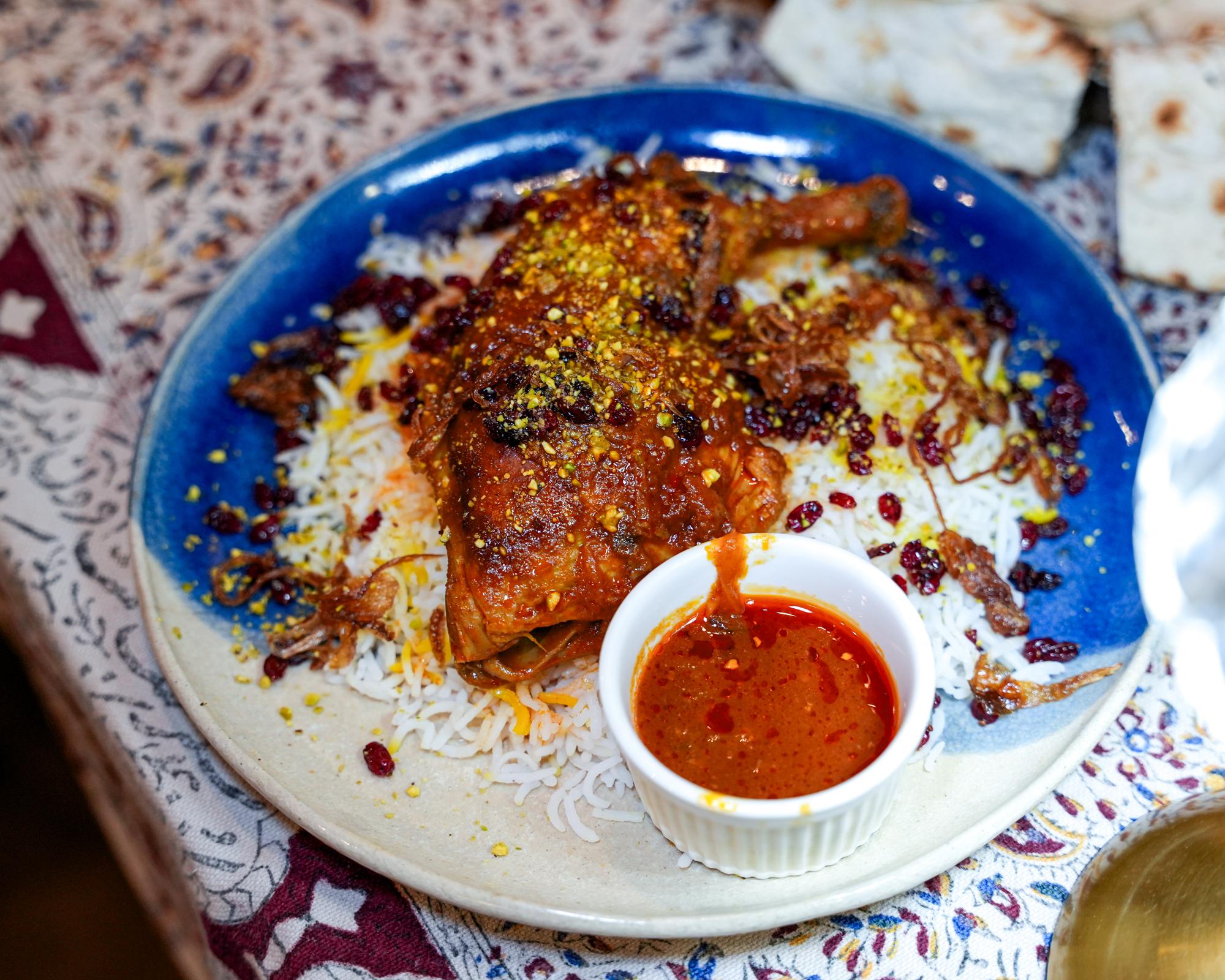
Zereshk Polo ba Morgh is celebratory cuisine: Chicken, bronzed but yielding over long grains, with ruby flashes of barberries for sourish sparks that shimmer through the meat's richness and the mellow warmth of saffron with aubergine and tomatoes.
Vegetarian Adas Polo scatters lentils, dates and raisins through basmati rice, illustrating the Persian talent for reconciling savoury fare with fruit, finished with crisp skeins of caramelised onions for mahogany richness.
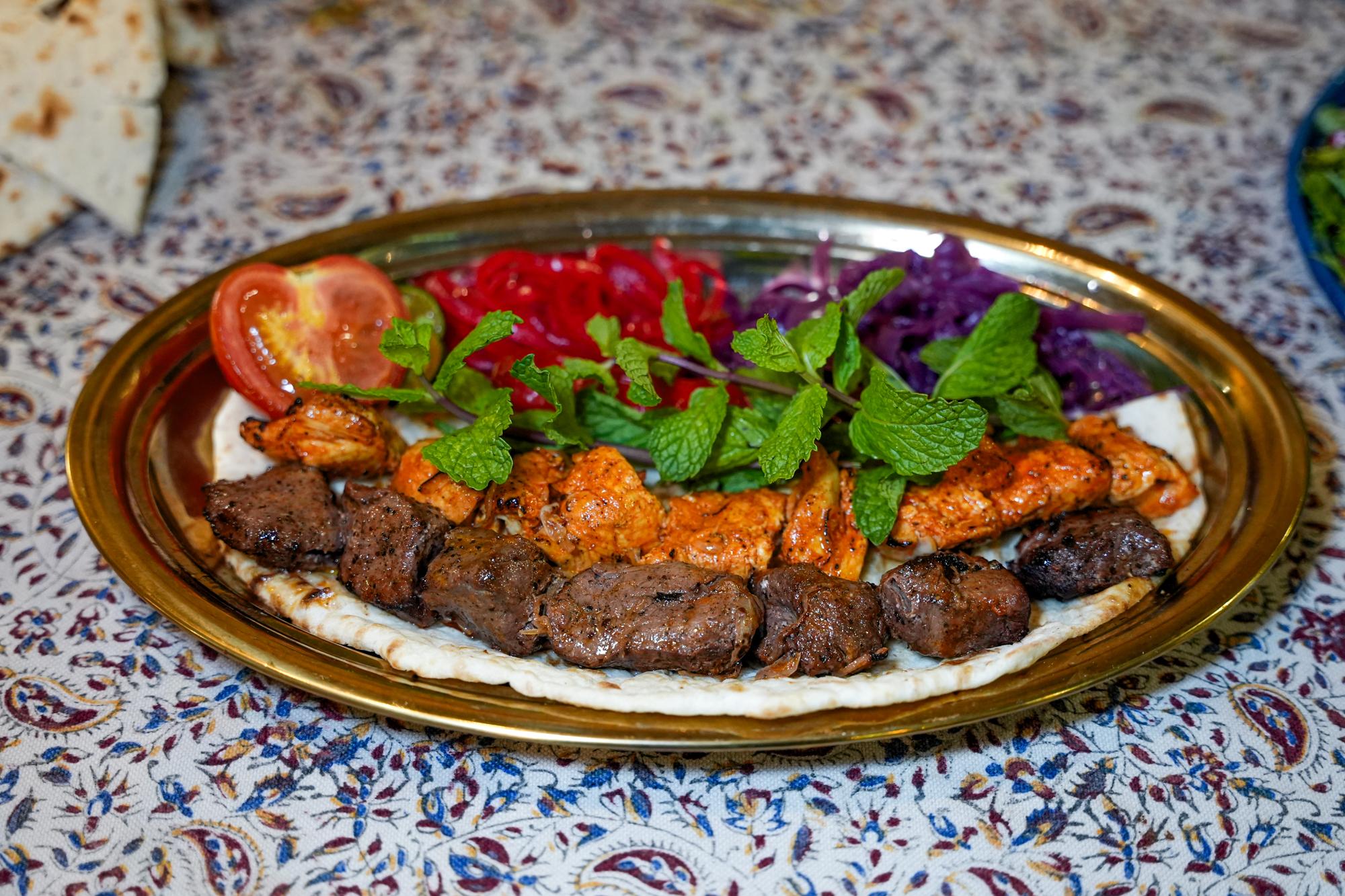
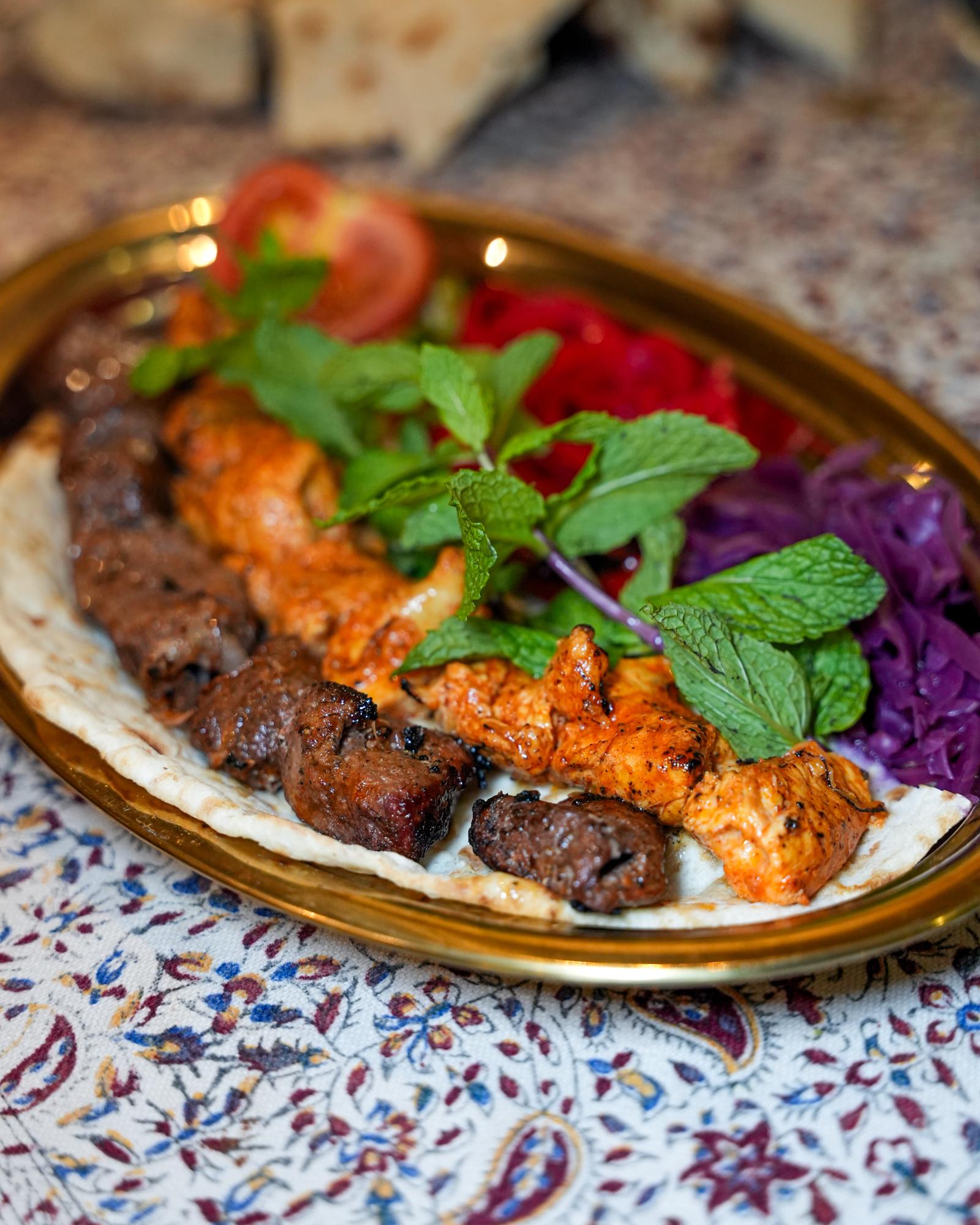
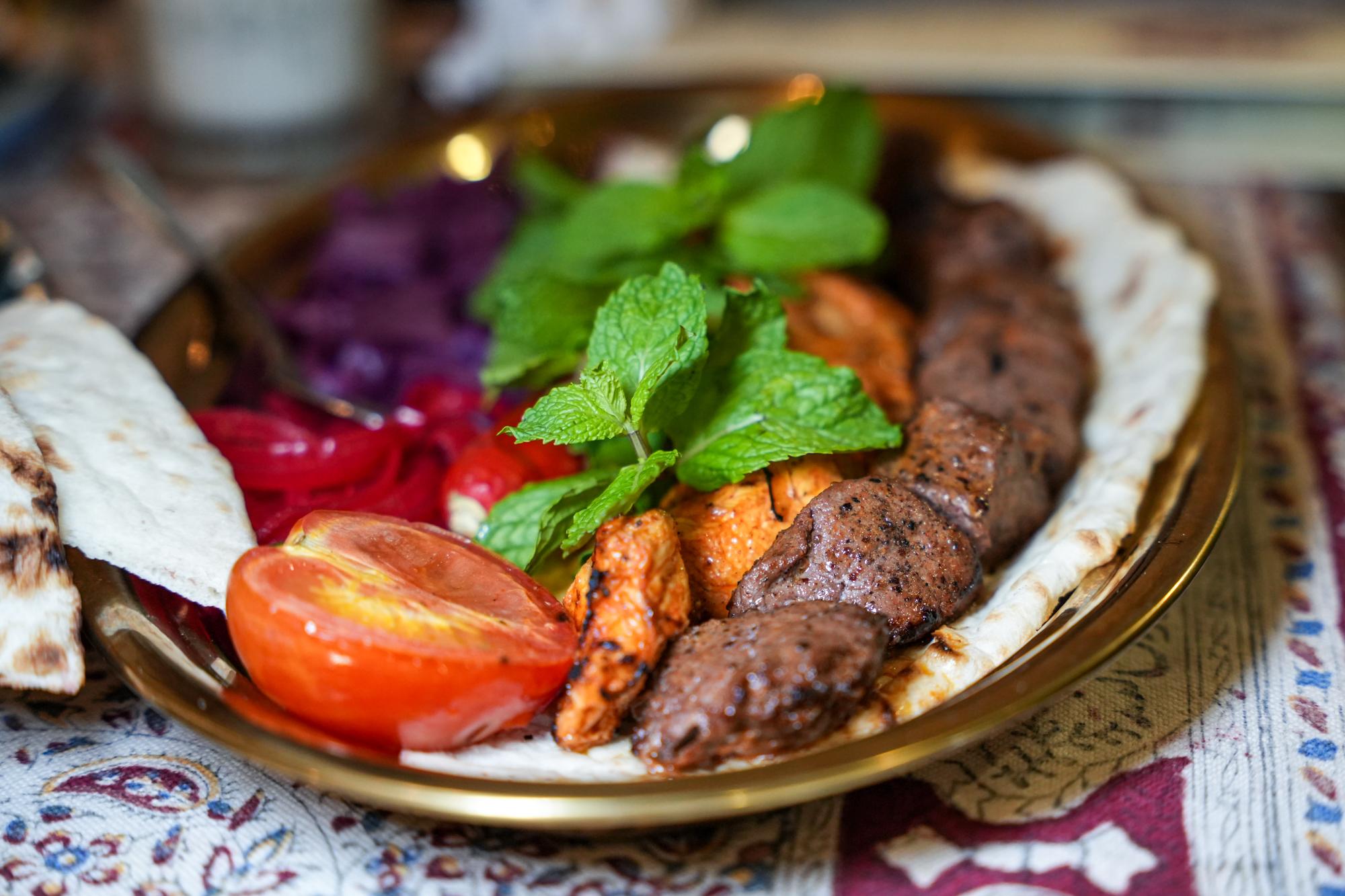
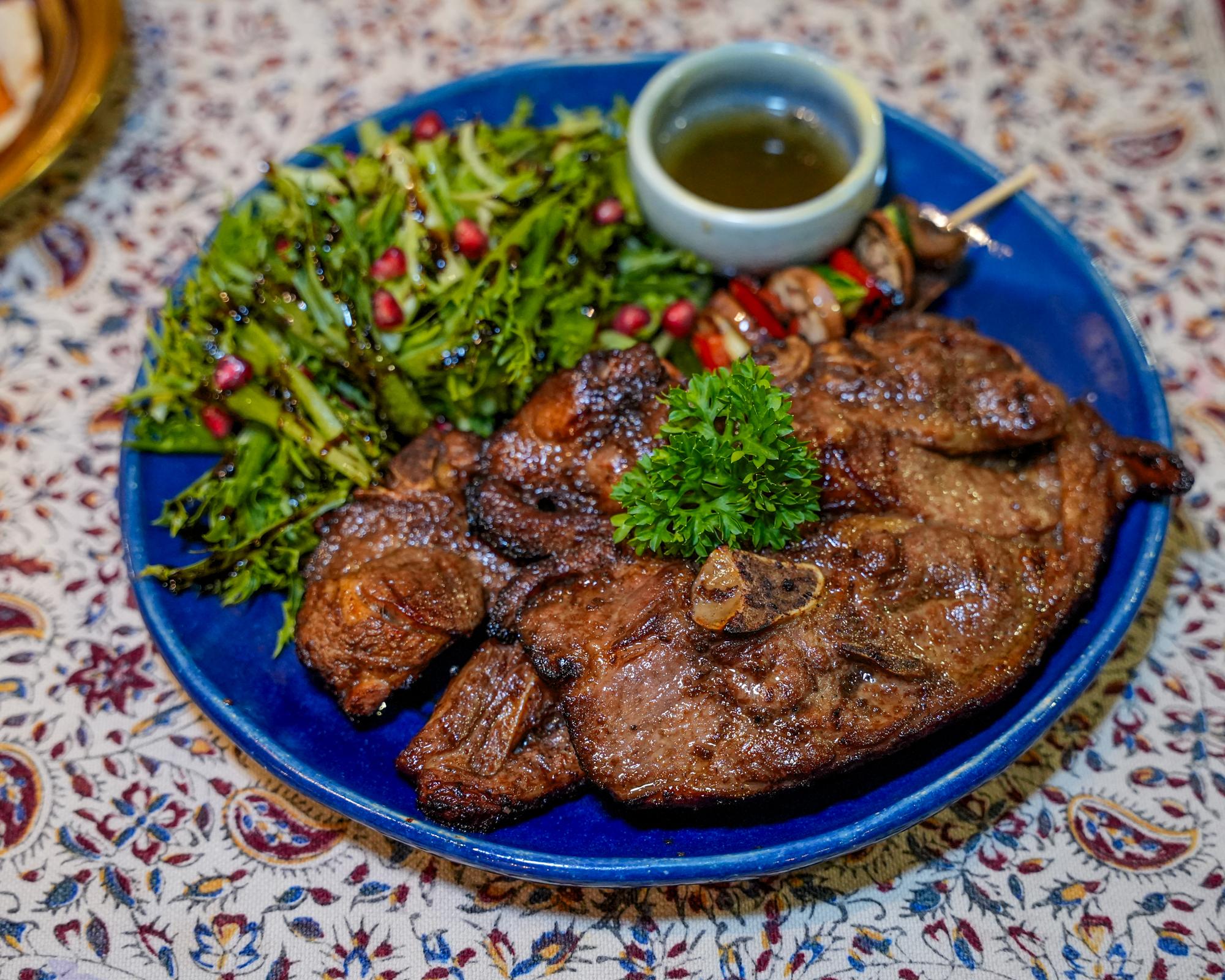
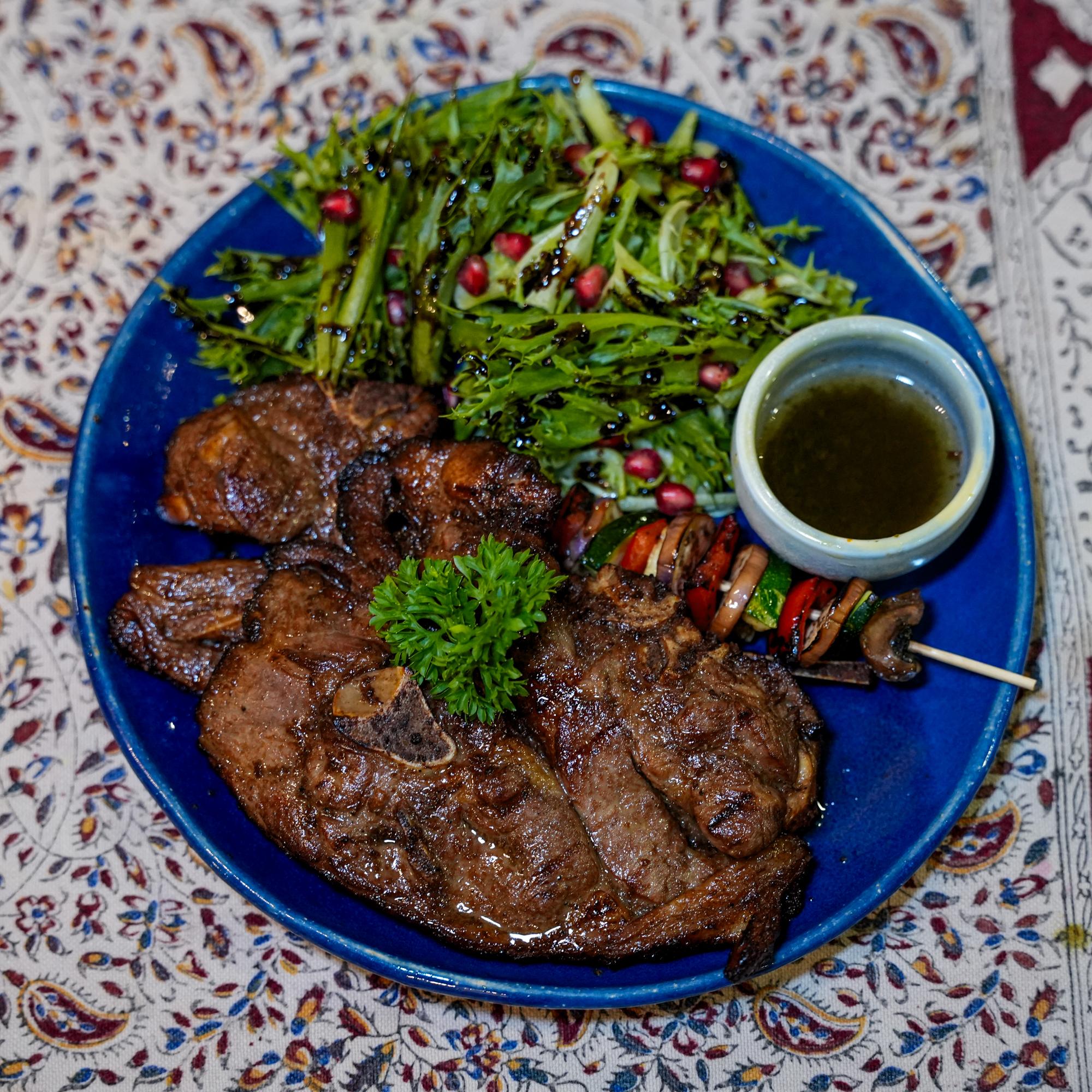
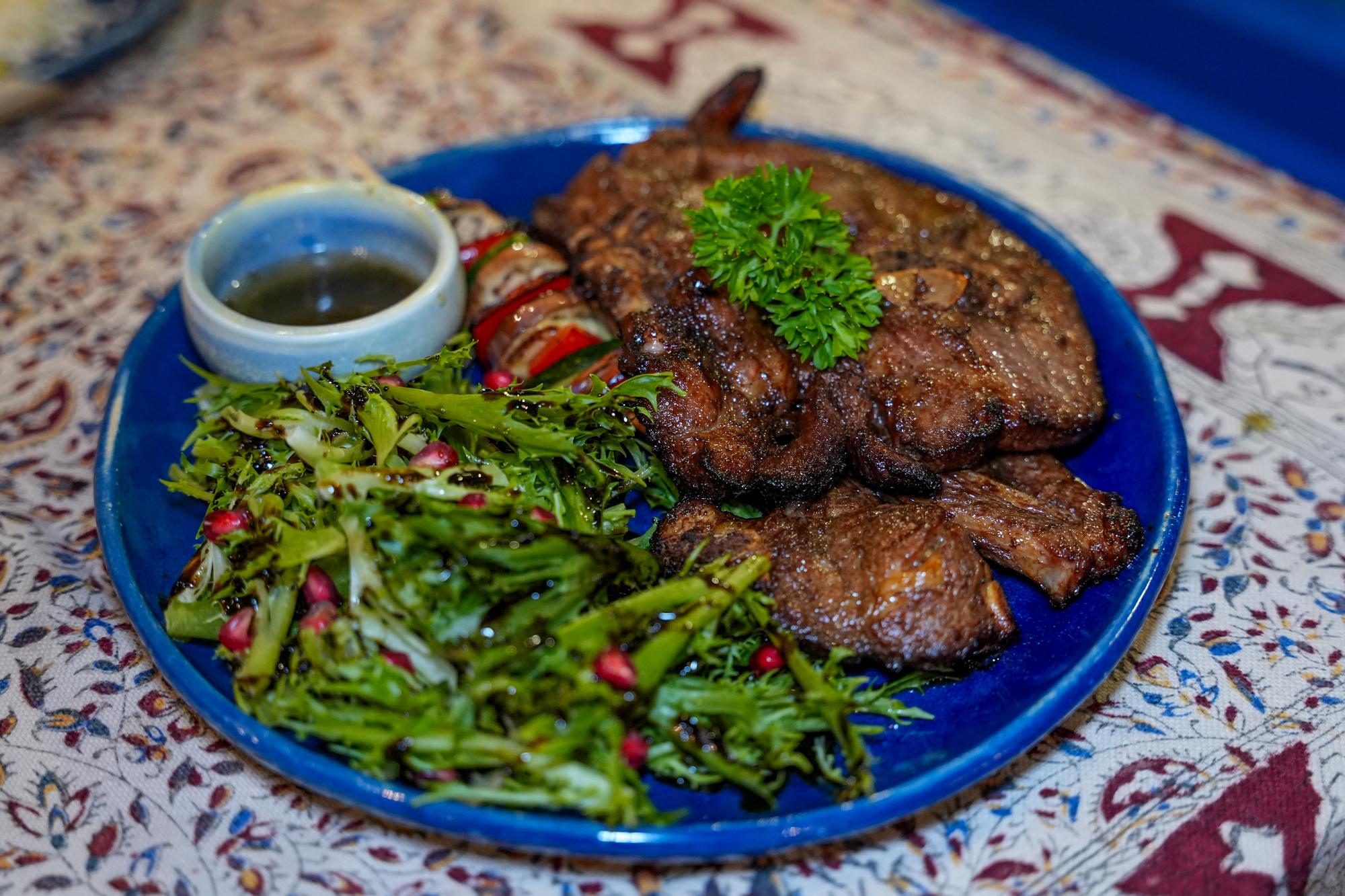
The Mangal Paz section speaks to Leily’s husband, who favours the barbecue.
Sink your teeth into Joojeh Kabab and Kabab Chenjeh for a mixed grill: Joojeh is one of Iran's most recognisable kebabs, chicken steeped in saffron before meeting the open flame, its orange-gold exterior gently charred, while Chenjeh promises cubes of marinated beef with a succulent core, surrounded by fresh mint, tomato, pickled cabbage and bread.
Lamb Shoulder is colossally chunky and crisp-seared at its browned edges, triumphantly tender within for hot-blooded carnivores, garnished with seasonal greens and pomegranates.
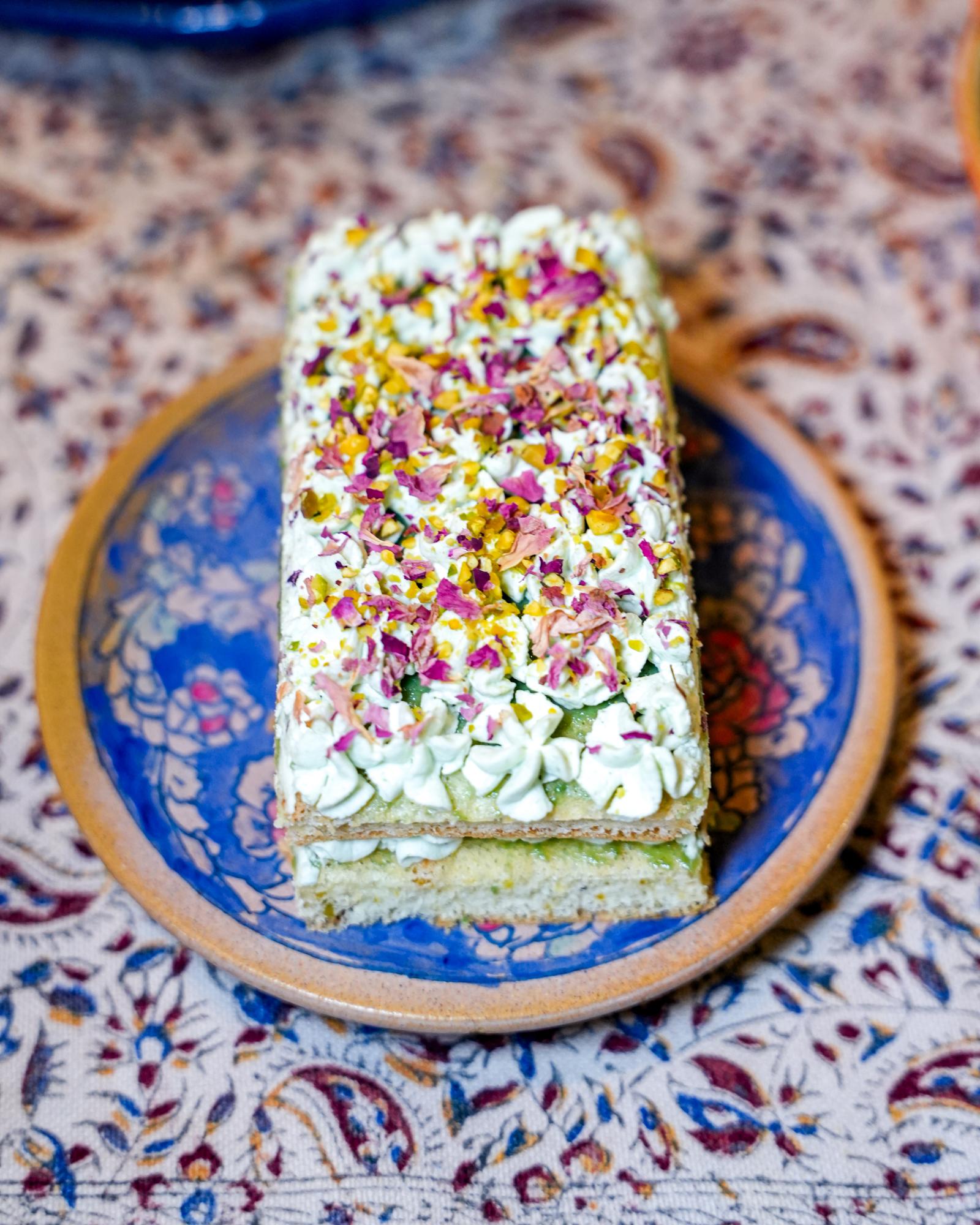
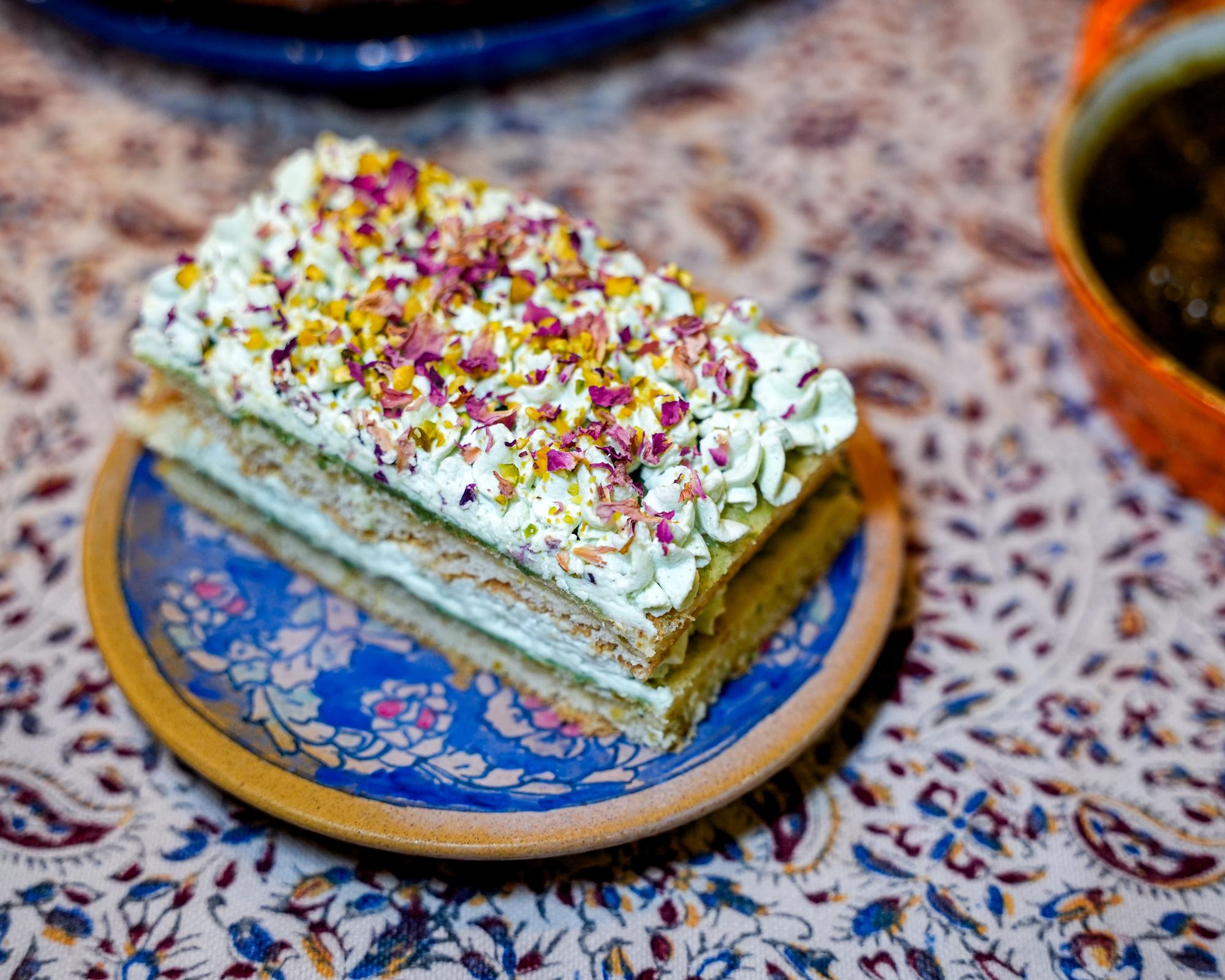
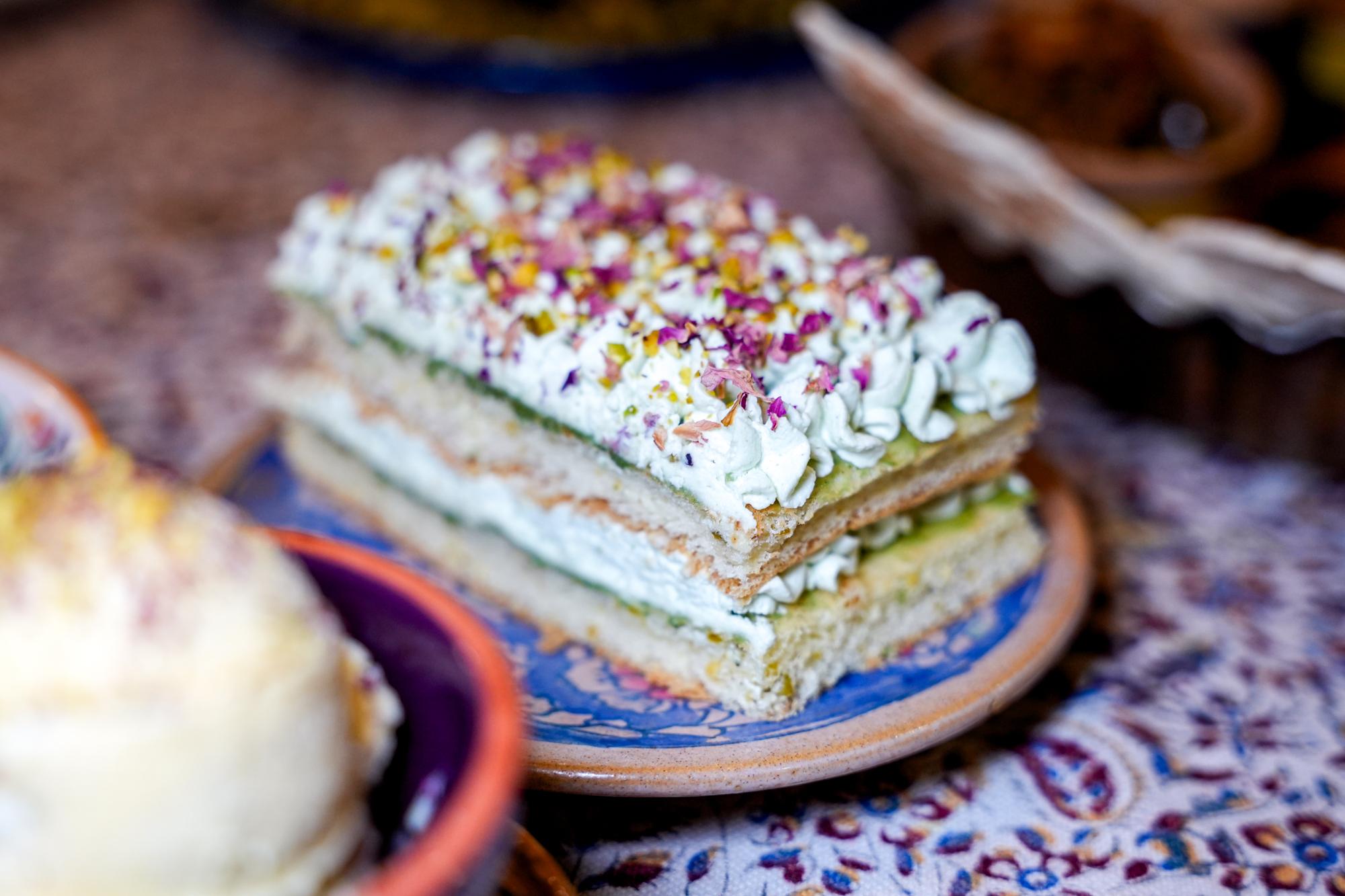
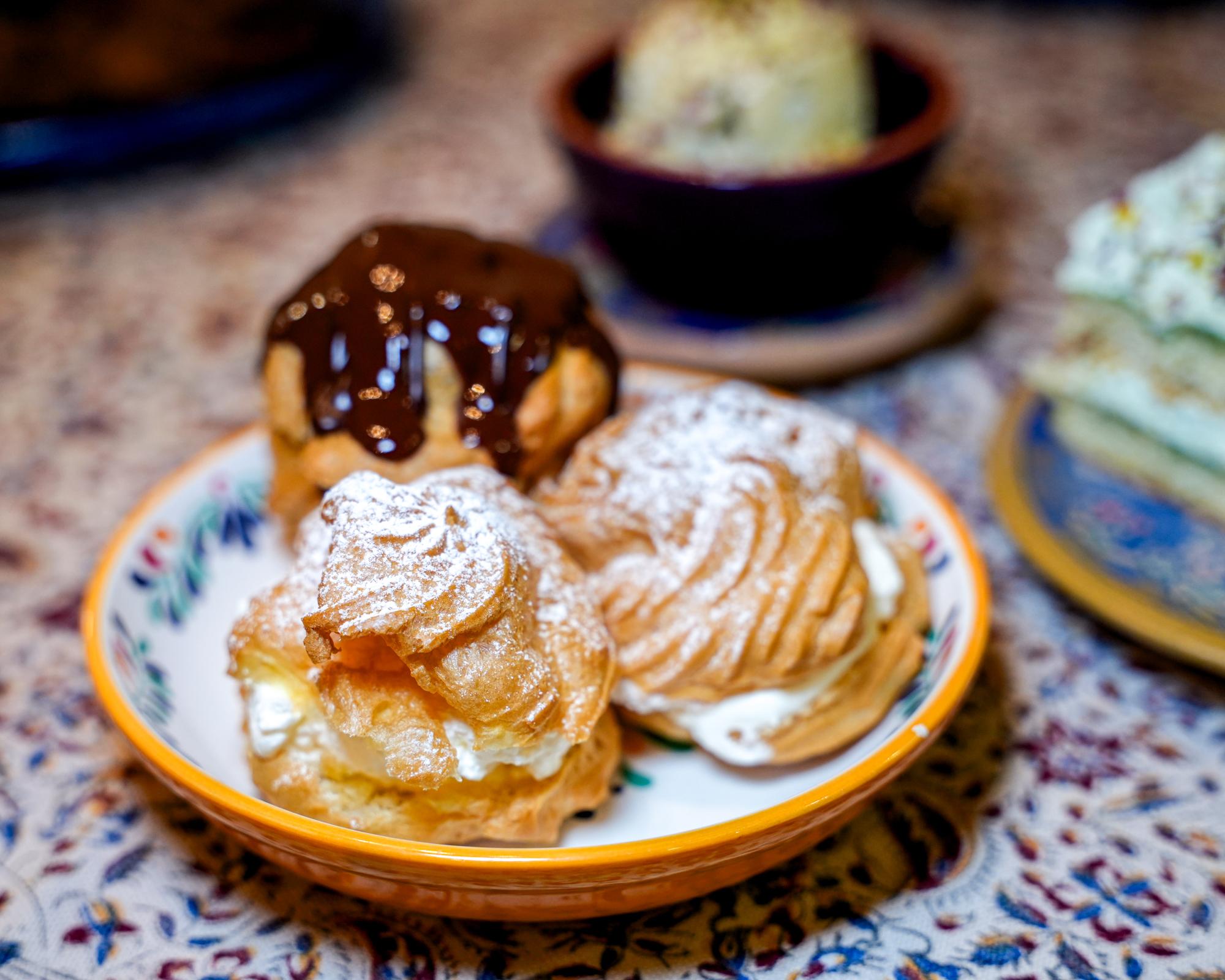
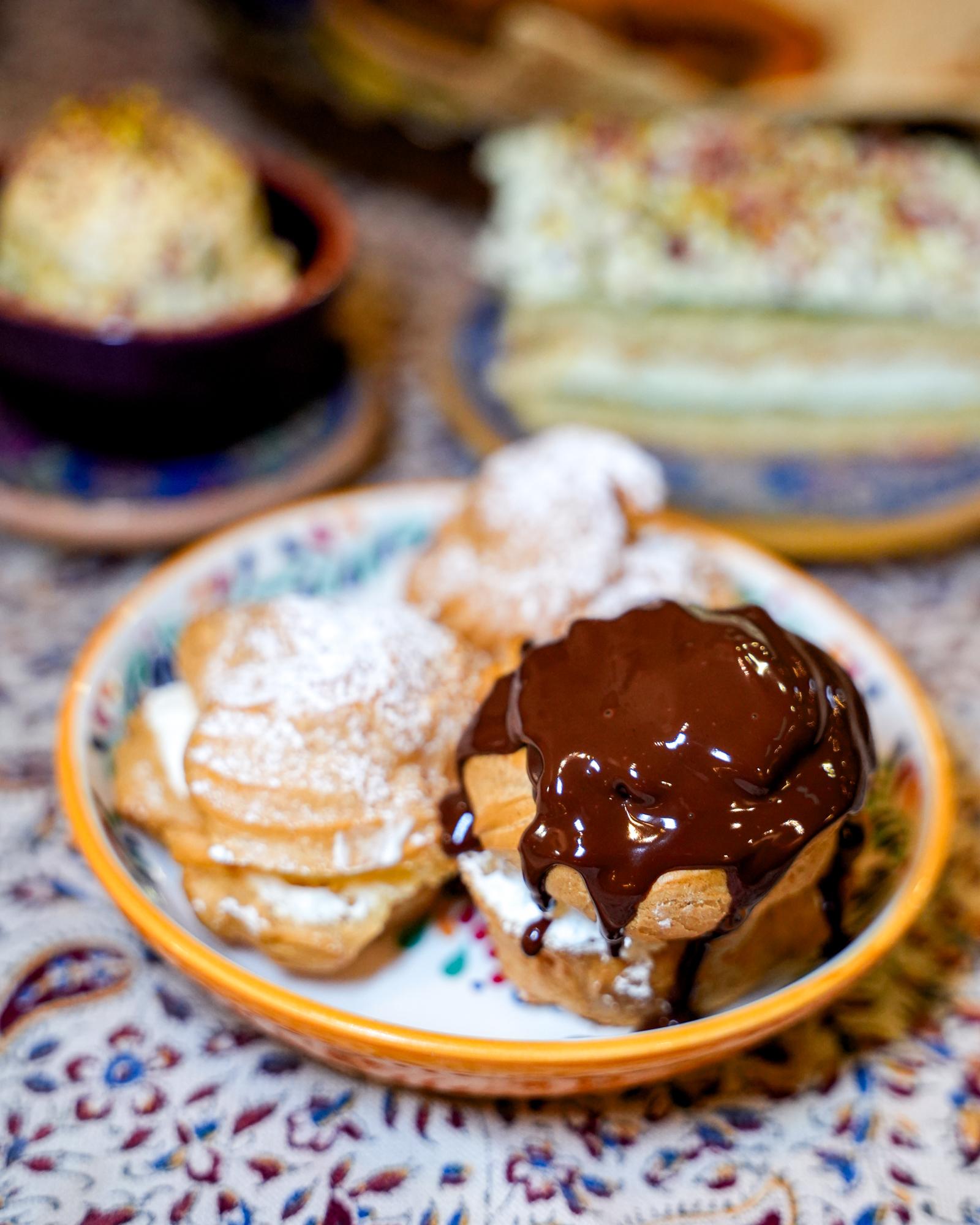
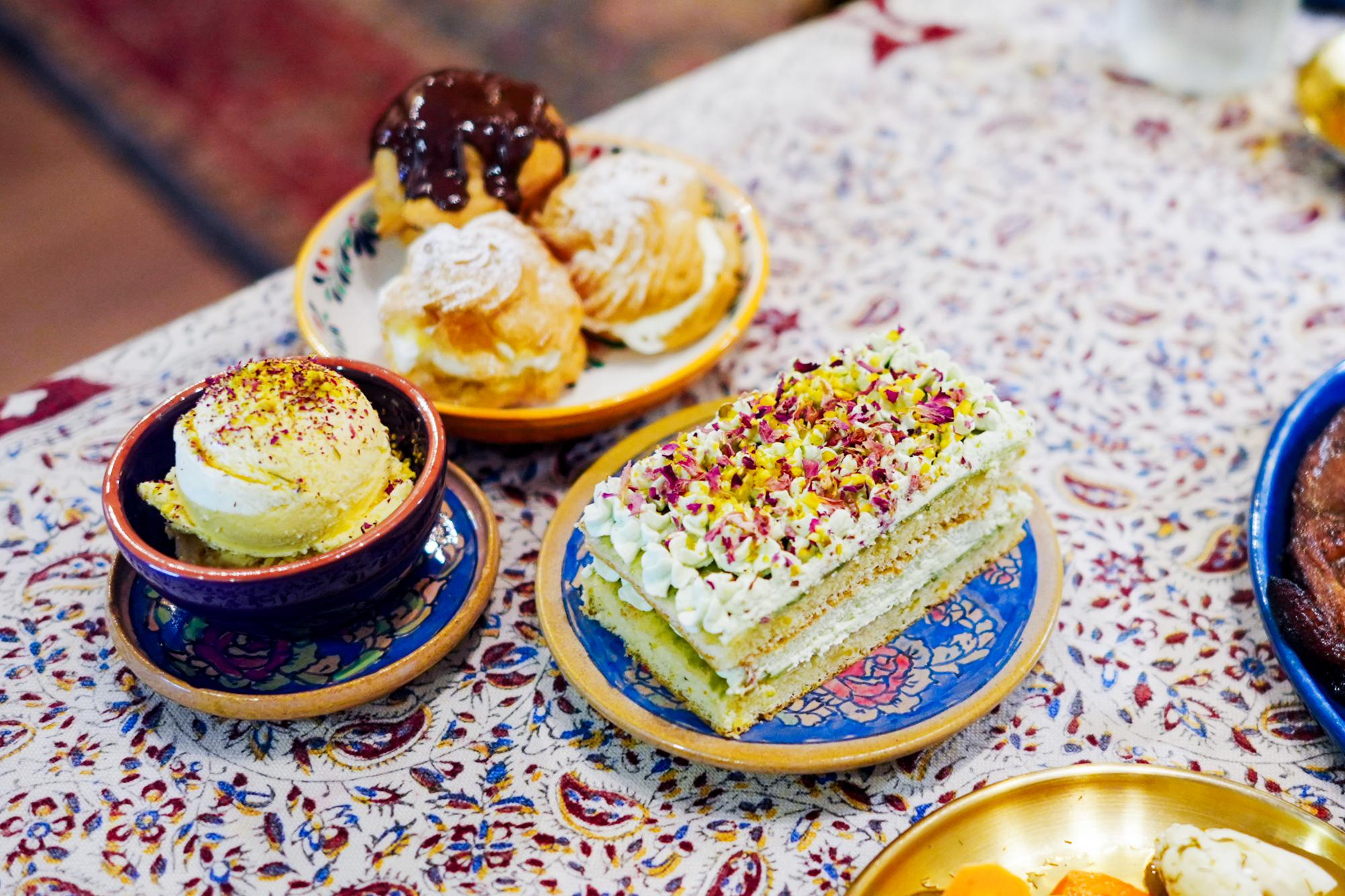
Dessert is defined by the elements of Persian confectionery: Pistachio, rosewater and saffron.
The Pistachio Dream is the most contemporary creation, layering feathery pistachio sponge with whipped cream and crushed nuts.
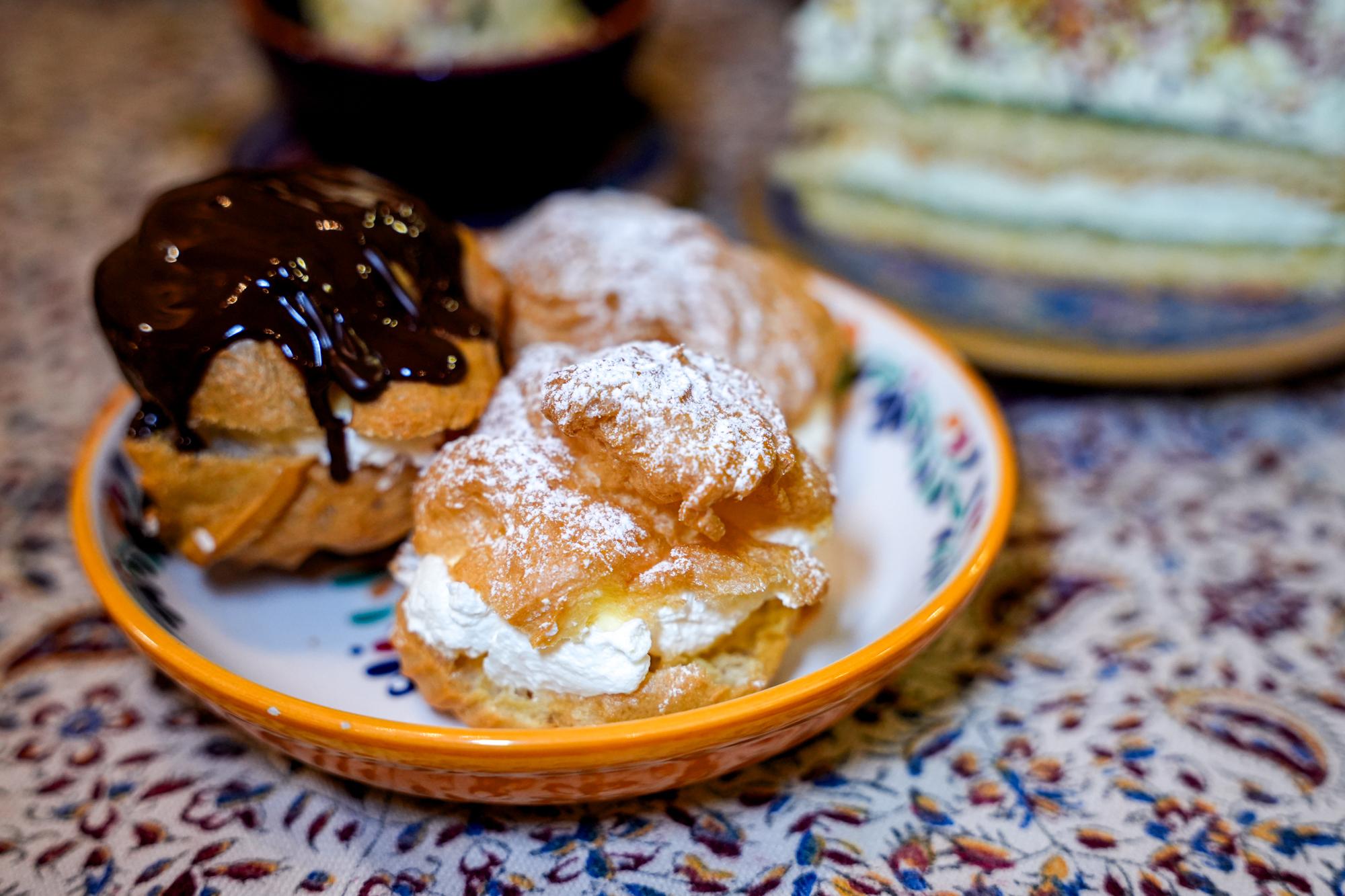
Noon Khamei cream puffs channel the bakery spirit of Fari & Ali's, with choux shells filled with whipped cream beneath icing sugar or dark chocolate.
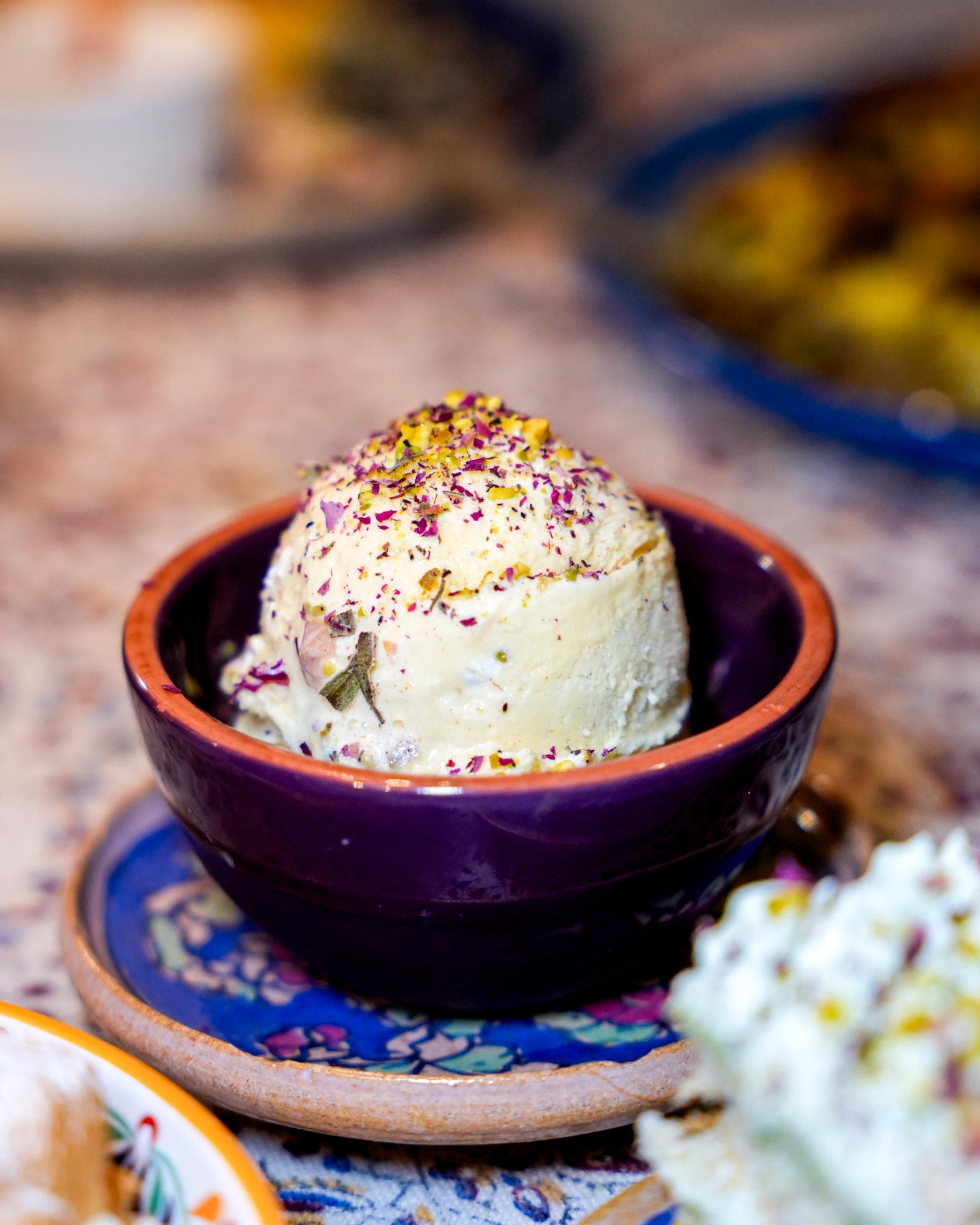
Bastani holds the most potent Persian nostalgia, a summery ice cream that threads saffron, rosewater, vanilla and pistachios with frozen, flaky flair.
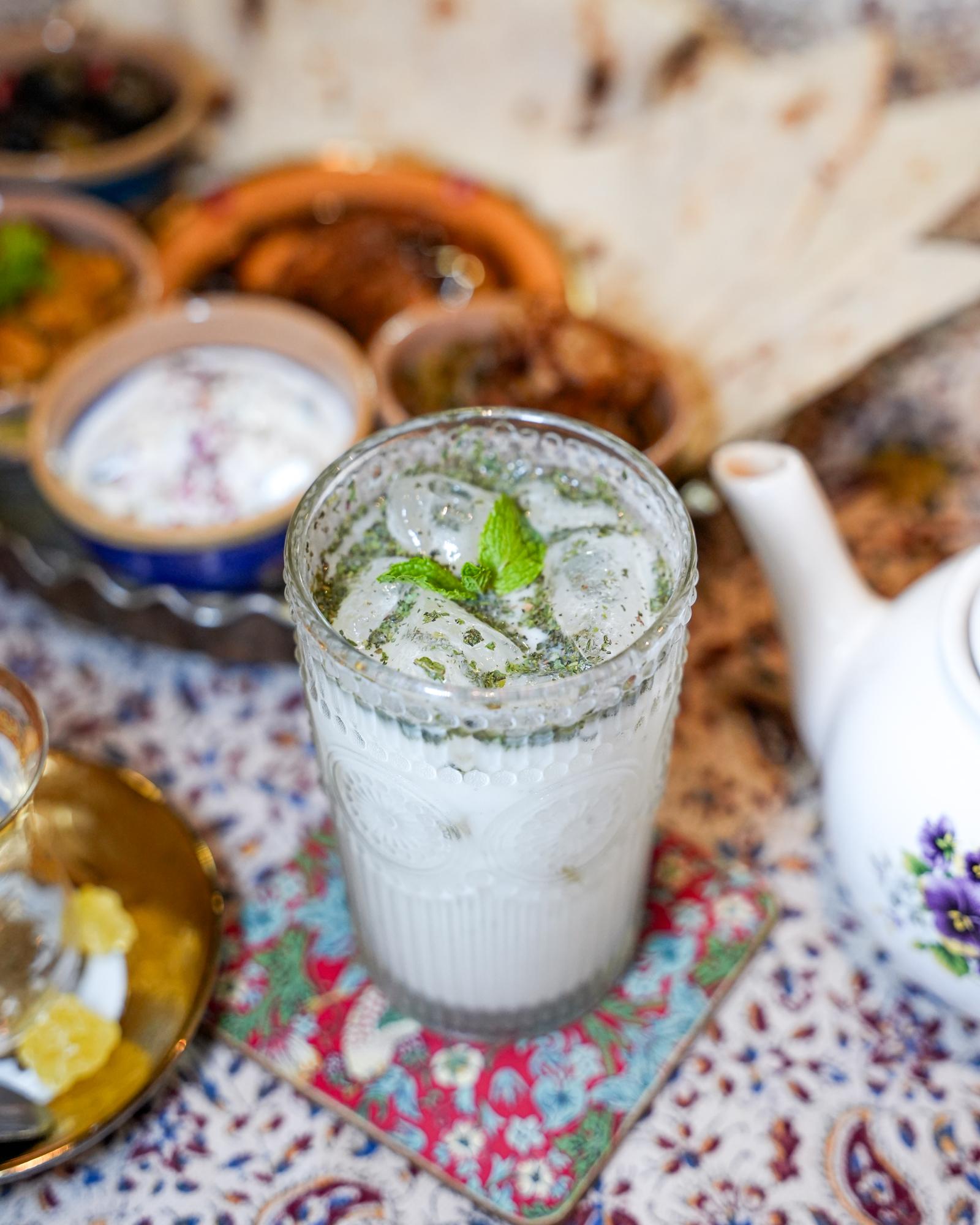
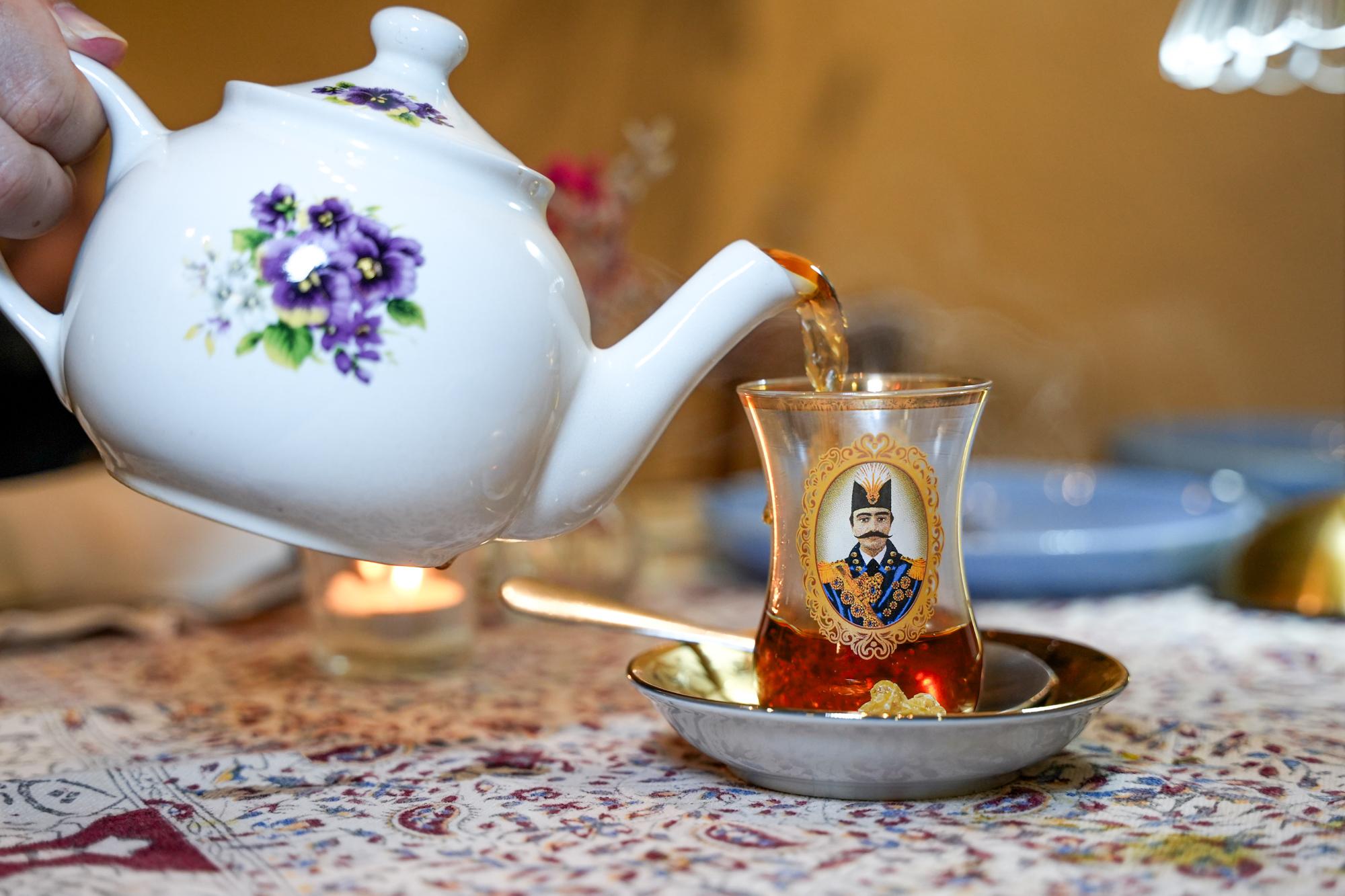
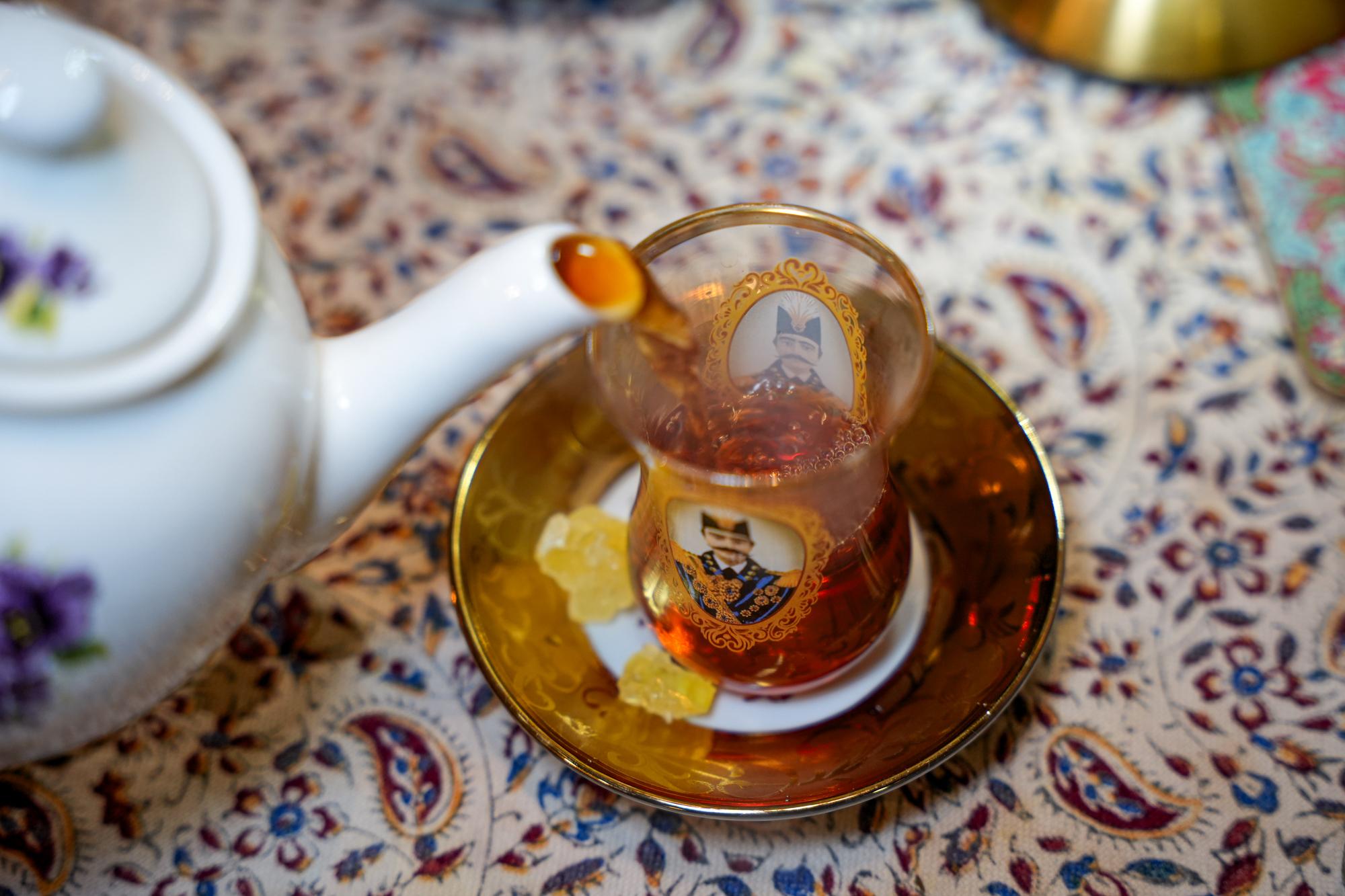
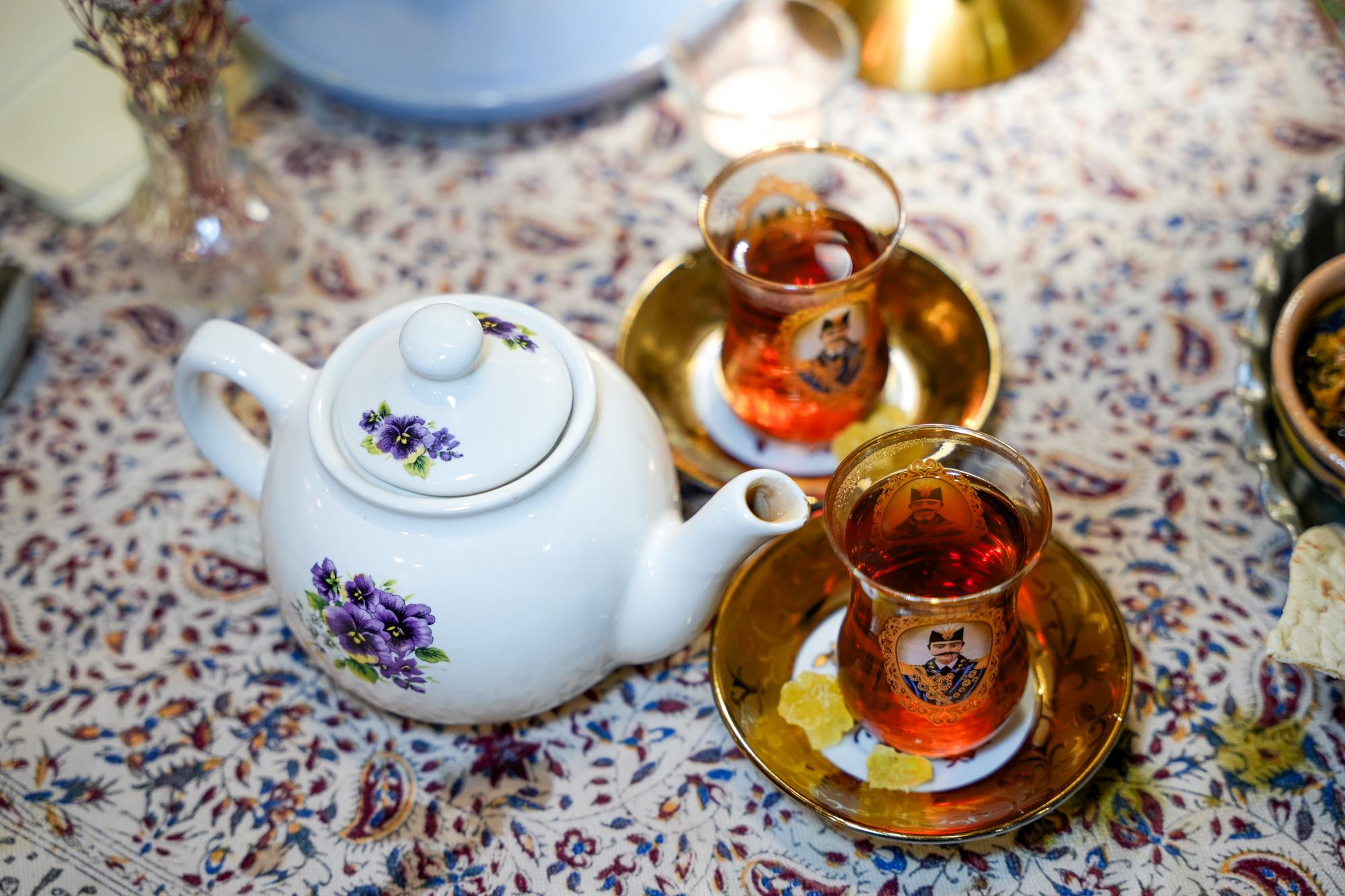
To drink, doogh melds yoghurt with water, mint and salt, a chilled cultured companion to refresh the palate, while a pot of cha’ee zaferani closes the meal gracefully, saffron tea with a honeyed homeliness.
Nooshe Jan
65G, Jalan Medan Setia 1, Bukit Damansara, Kuala Lumpur.
Open Thursday-Saturday, 6:30pm-8pm first session; 8:30pm-10pm second session.
Tel: 011-2408-9838
Reservations: reservation.umai.io/en/widget/nooshe-jan